Home
About
Links
Hobbycraft
Photos
Downloads
|
1914 Start of world war I,
one of the deadliest conflicts in history, it resulted in an estimated 30
million military casualties, plus another 8 million civilian deaths from
war-related causes and genocide. The movement of large numbers of people was
a major factor in the deadly Spanish flu pandemic. The
causes of World War I included the rise of Germany and decline of the Ottoman
Empire, which disturbed the long-standing balance of power in Europe,
imperial rivalries, and shifting alliances and an arms race between the great
powers. Growing
tensions between the great powers and in the Balkans reached a breaking point
on 28 June 1914, when Gavrilo Princip, a Bosnian Serb, assassinated the heir
to the Austro-Hungarian throne. Austria-Hungary blamed Serbia, and declared
war on 28 July. After Russia mobilized in Serbia's defense, Germany declared
war on Russia and France, who had an alliance. The
United Kingdom entered after Germany invaded Belgium, and the Ottomans joined
the Central Powers in November. Germany's strategy in 1914 was to quickly
defeat France then transfer its forces to the east, but its advance was
halted in September, and by the end of the year the Western Front consisted
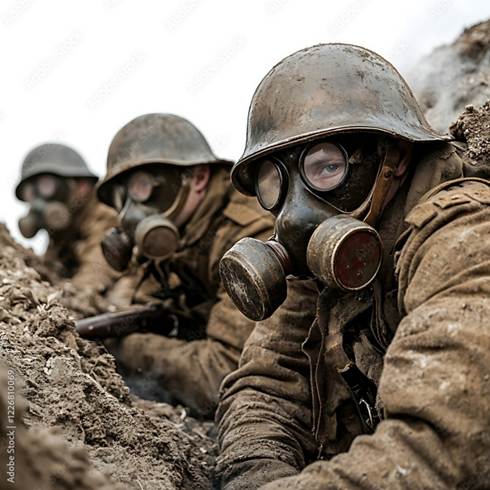
of a near-continuous line of trenches from the English Channel to
Switzerland. The Eastern Front was more dynamic, but neither side gained a
decisive advantage, despite costly offensives. Italy, Bulgaria, Romania,
Greece and others entered the war from 1915 onward. Major
battles, including those at Verdun, the Somme, and Passchendaele, failed to
break the stalemate on the Western Front. In
April 1917, the United States joined the Allies after Germany resumed
unrestricted submarine warfare against Atlantic shipping. The US Army had
fewer than 300,000 men, including National Guard units, compared to British
and French armies of 4.1 and 8.3 million respectively. The Selective Service
Act of 1917 drafted 2.8 million men, though training and equipping such
numbers was a huge logistical challenge. By June 1918, over 667,000 members
of the American Expeditionary Forces (AEF) were transported to France, a
figure which reached 2 million by the end of November. Later
that year, the Bolsheviks seized power in Russia in the October Revolution;
Soviet Russia signed an armistice with the Central Powers in December,
followed by a separate peace in March 1918. That month, Germany launched a
spring offensive in the west, which despite initial successes left the German
Army exhausted and demoralized. The Allied Hundred Days Offensive, beginning
in August 1918, caused a collapse of the German front line. Following the
Vardar Offensive, Bulgaria signed an armistice in late September. By early
November, the Ottoman Empire and Austria-Hungary had each signed armistices
with the Allies, leaving Germany isolated. Facing a revolution at home,
Kaiser Wilhelm II abdicated on 9 November, and the war ended with the
Armistice of 11 November 1918. The
Paris Peace Conference of 1919–1920 imposed settlements on the defeated
powers. Under the Treaty of Versailles, Germany lost significant territories,
was disarmed, and was required to pay large war reparations to the Allies.
The dissolution of the Russian, German, Austro-Hungarian, and Ottoman Empires
redrew national boundaries and resulted in the creation of new independent
states including Poland, Finland, the Baltic states, Czechoslovakia, and
Yugoslavia.
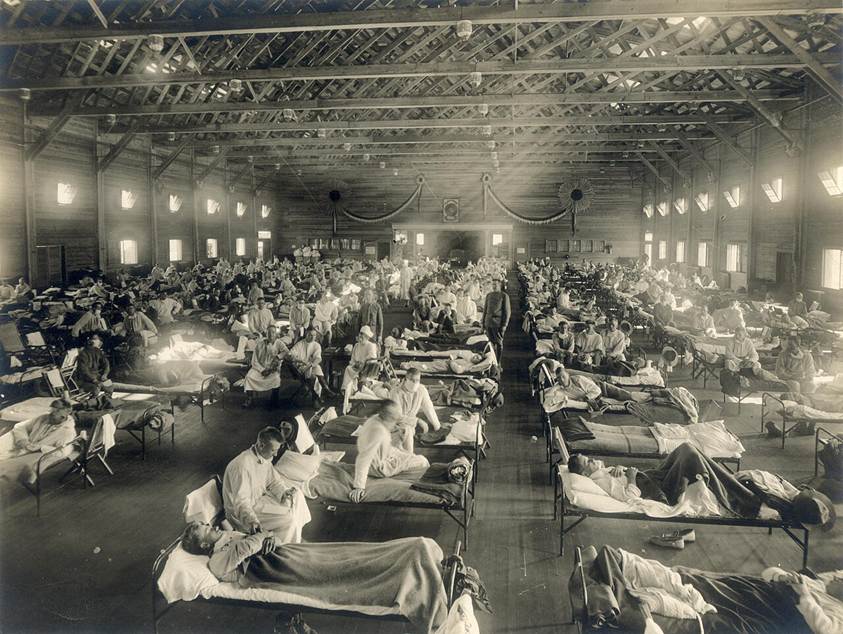
Emergency military hospital during the
Spanish flu pandemic in Camp Funston, Kansas, 1918
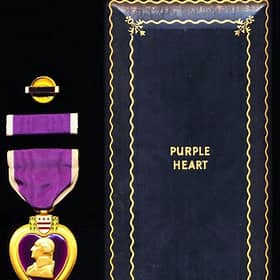
* * * My Dad (Harry Wolever) fought in the war, received the “Purple
Heart”, a prestigious U.S. military decoration awarded to service members
wounded or killed in combat, established by George Washington in 1782.
For more information you can view the slideshow I made called “Dear
folks” (includes his letters narrated by Bob Wolever and Cathy Church). ·
Go to “DOWNLOADS”: http://vernonite.com/downloads.html ·
Then select “Slideshows”, read the
instructions, scroll down and select “Dear folks” ·
Select “Download Dearfolks.zip”,
after file is downloaded open the file, double click “dearfolks” ·
Then double click “Player”, click
“Player.exe”, then “Extract all”, and “Extract” again ·
Finally double click “Dearfolks”
and “start.exe”
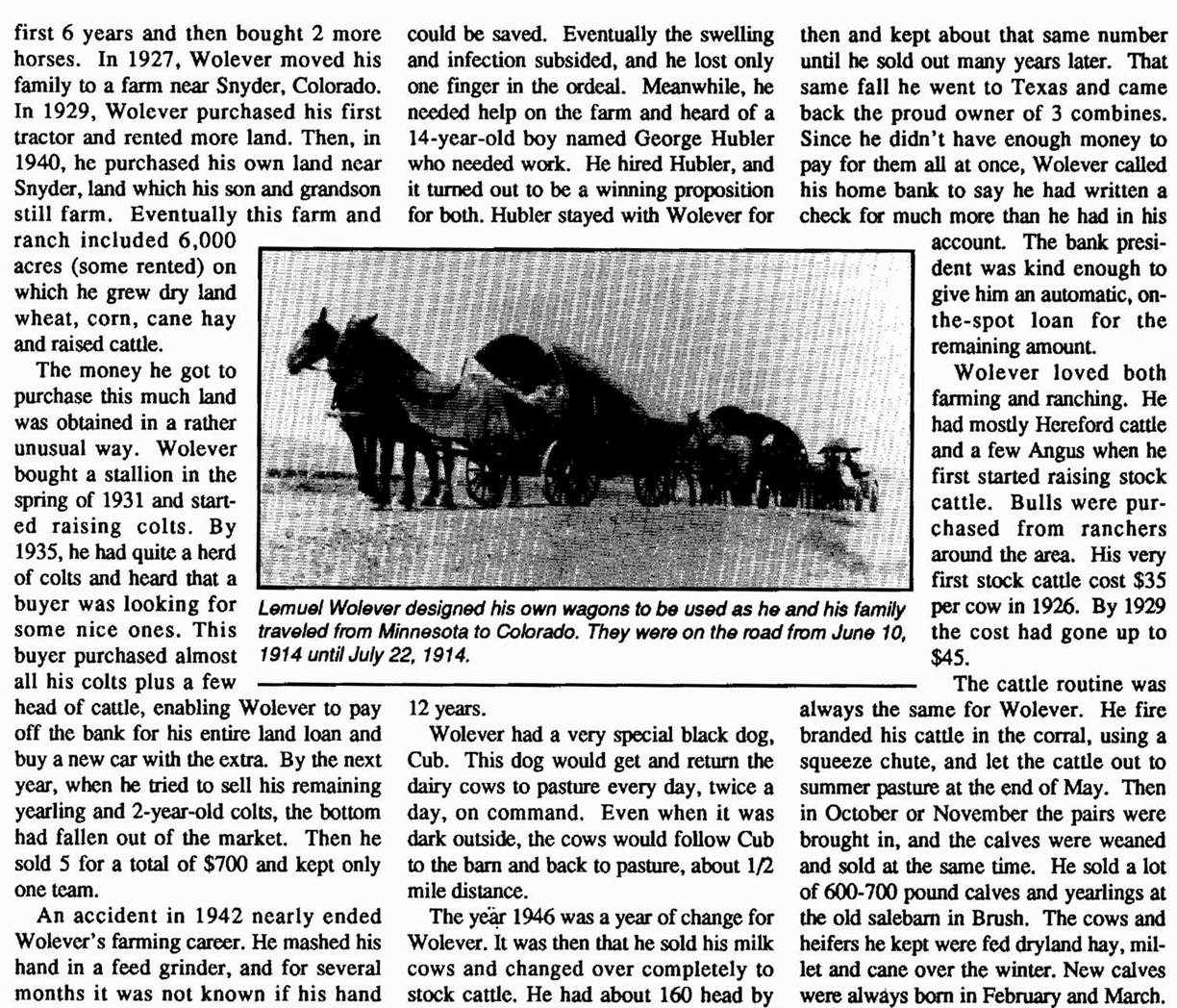
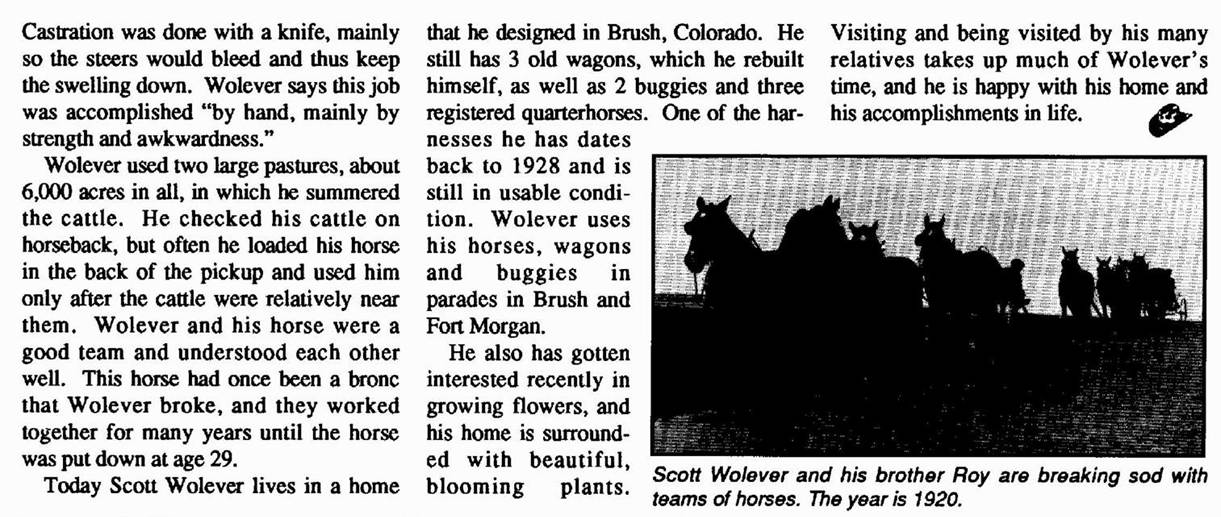
Wolever
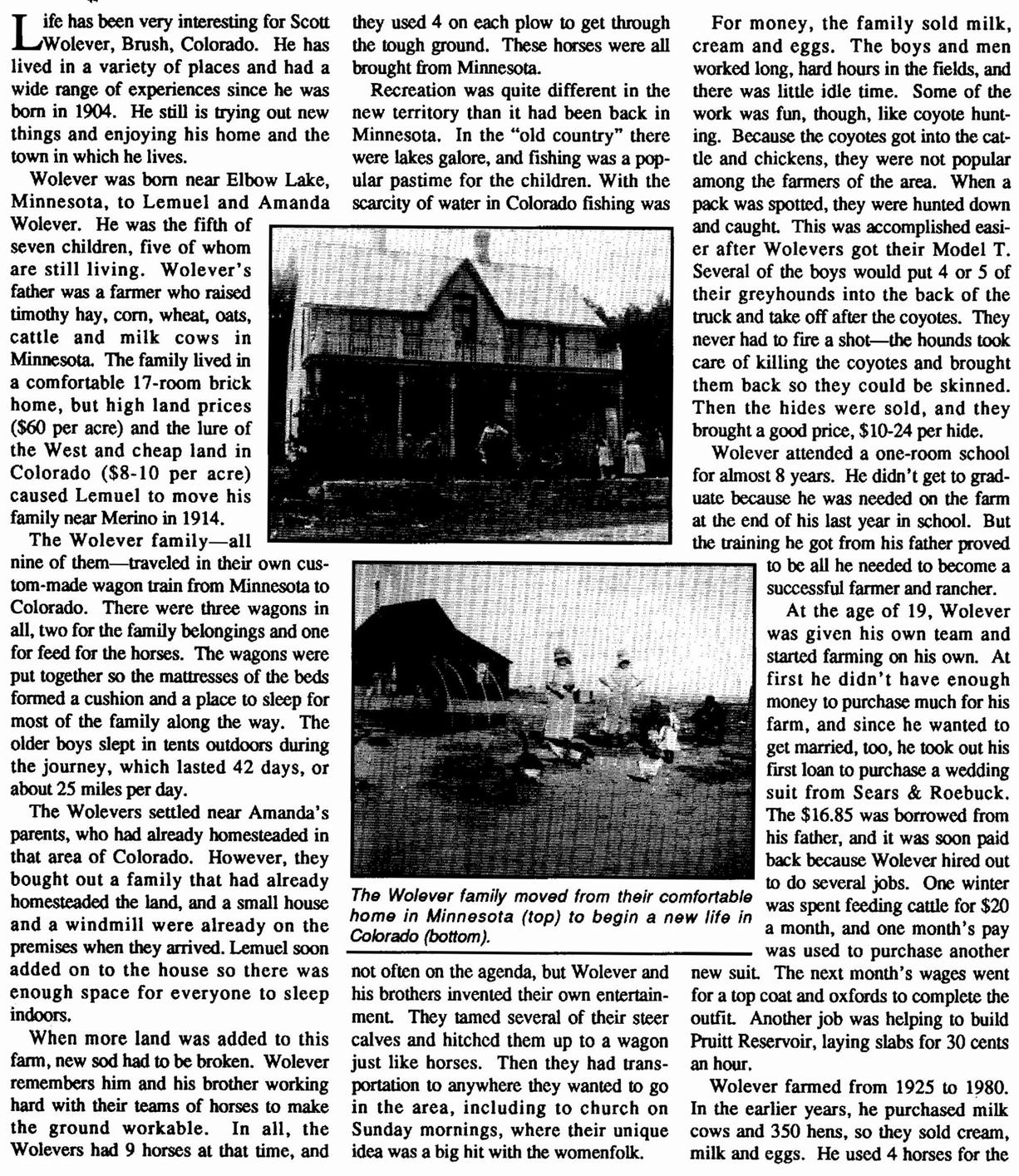
family move from Minnesota to Colorado, story about may dad’s cousin Scott
Wolever. The following was taken from the 1992-1993 issue of Stampede:
|
|
* * * Some
related pictures:
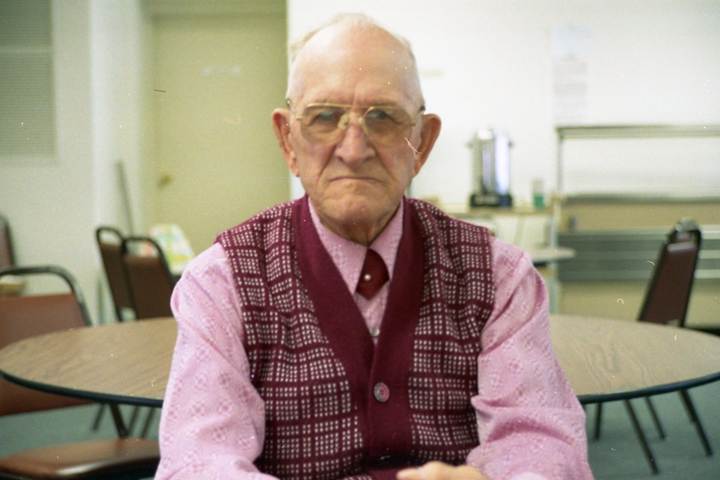
Scott Wolever
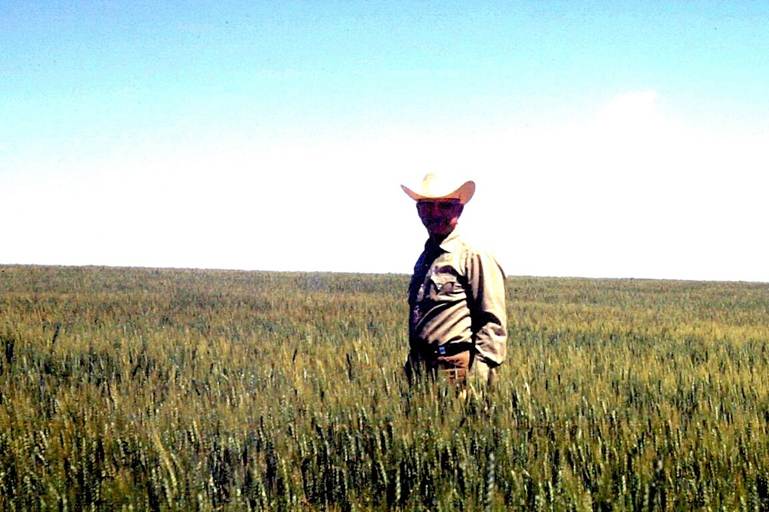
Scott Wolever in Colorado wheat field
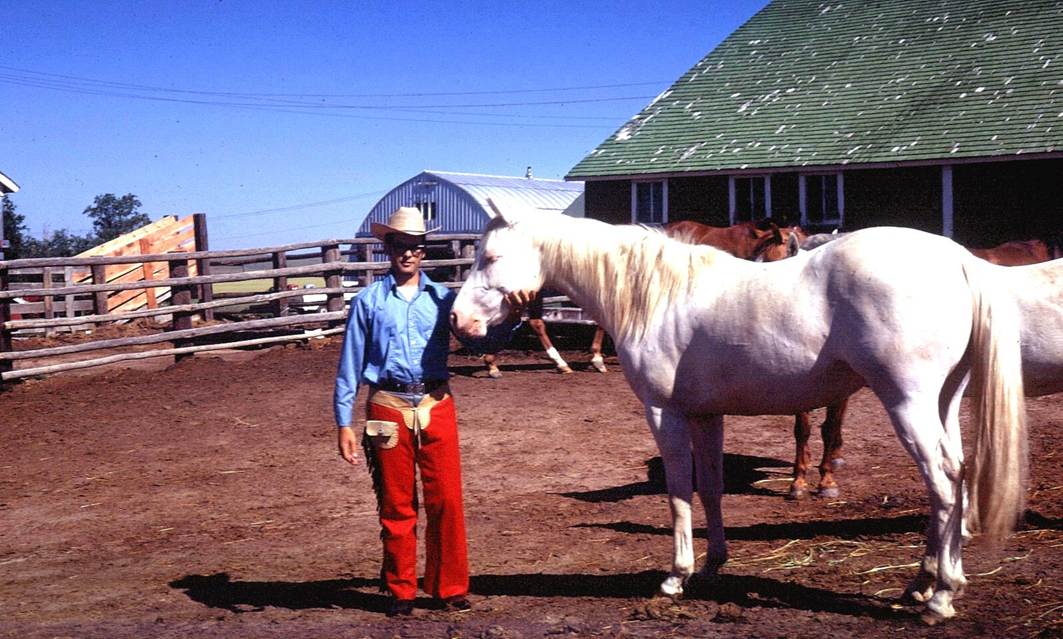
Me, about 1971 at Scott Wolever ranch |