Home
About
Links
Hobbycraft
Photos
Downloads
|
1883 Jerome Arizona established as a town after
discovery of copper. Eugene Jerome and his brothers staked a claim on what
would later become known as the United Verde Mine. This discovery led to a
mining rush, and was officially established as a town. The town’s population
boomed, reaching over 15,000 at its peak in the early 20th century, making it
one of the largest cities in Arizona at the time. Jerome, Arizona, is recognized as America’s
largest ghost town, known for its rich history and vibrant community that
still thrives today. The mining operations here were among the
largest in the world, contributing significantly to the U.S. copper supply
during World War I. Jerome’s prosperity was tied directly to the
demand for copper. The Great Depression hit hard, and by the late 1950s, the
mines were largely depleted or no longer economically viable. Jerome’s
population dwindled, leading to its reputation as a ghost town. Buildings
were abandoned, and the once-thriving community turned into a shadow of its
former self. This period is essential for anyone exploring ghost towns in
Arizona or abandoned towns USA. Jerome’s violent past and sudden abandonment
have fueled numerous ghost stories, making it a hotspot for those interested
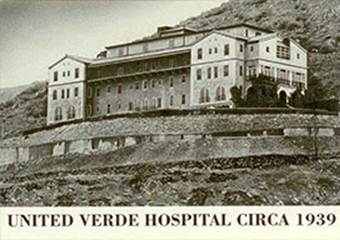
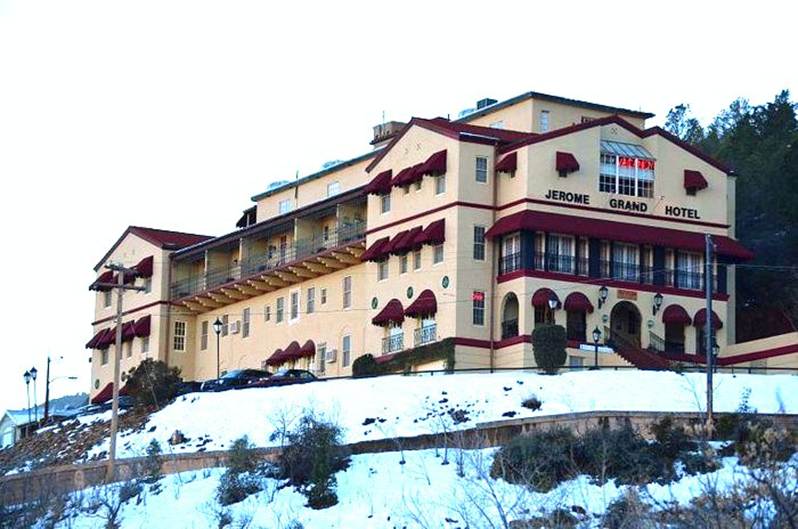
in paranormal activities in Arizona. The Jerome Grand Hotel has a creepy
history as the former United Verde Hospital. The grounds saw over 9,000
deaths during the hospital’s operation from 1927 to 1950. This 30,000 sq. ft. poured in place concrete building was
opened in January 1927. It featured patient call lights, balconies, sun
porches, emergency backup lighting, Otis self service elevator, ice making
room in Arizona, laboratories, X-ray, major and minor surgical facilities,
men’s, women’s and children’s wards, private and semi-private rooms, blanket
warming closets and housing for some staff. In 1930, it was considered the
most modern hospital in Arizona and possibly the Western States.
Jerome Grand Hotel Each floor has three fire zones and when the
stairwell doors close, a 6 hour fire break between floors. This resulted in
what is termed as an above ground bomb shelter in the Spanish Mission style.
All exterior walls, floors and roof are re-enforced poured in place concrete
with the only wood used in construction being doors, windows and built-in
cabinets. Walls between rooms are compressed gypsum blocks plastered on both
sides and ceilings suspended metal lath and plaster. Various ghosts are said to haunt the hotel,
including patients, nurses, and children. Guests report hearing coughing,
crying, and footsteps when no one is around. Doors open and close by
themselves, while objects get knocked off tables by unseen forces. Lights
even turn off unexpectedly, leaving guests in darkness!
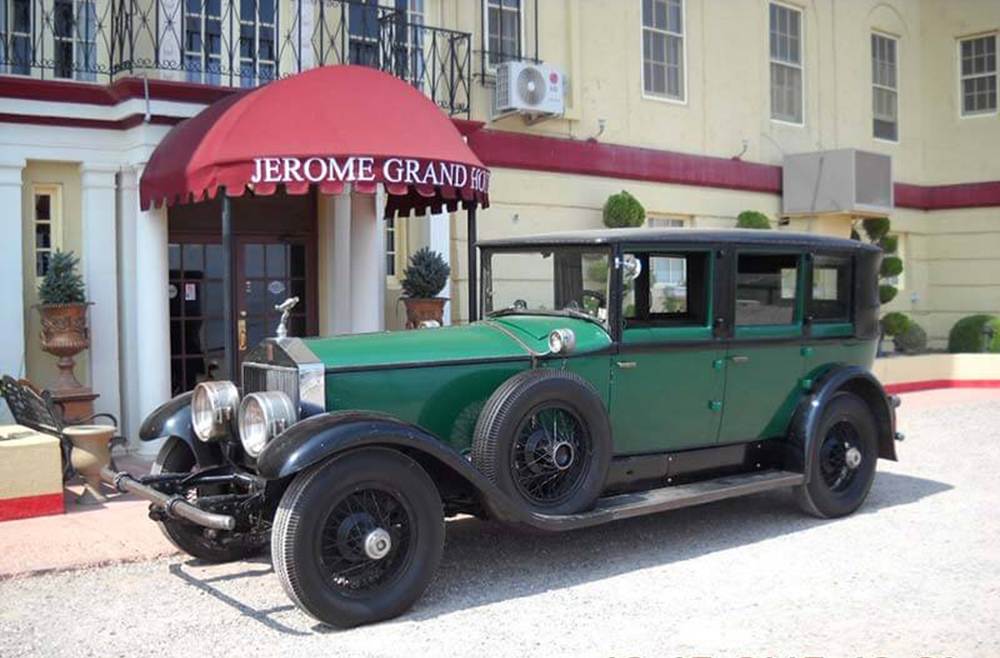
The 1928 Springfield Rolls-Royce Phantom I
Lonsdale was made in America. Rolls-Royce produced cars in Springfield,
Mass., for 10 years saving import fees on their cars from England and
providing the U.S. with the steering wheel on the correct side. It is parked
in the Hotel garage, only used for parades or shows. * * *
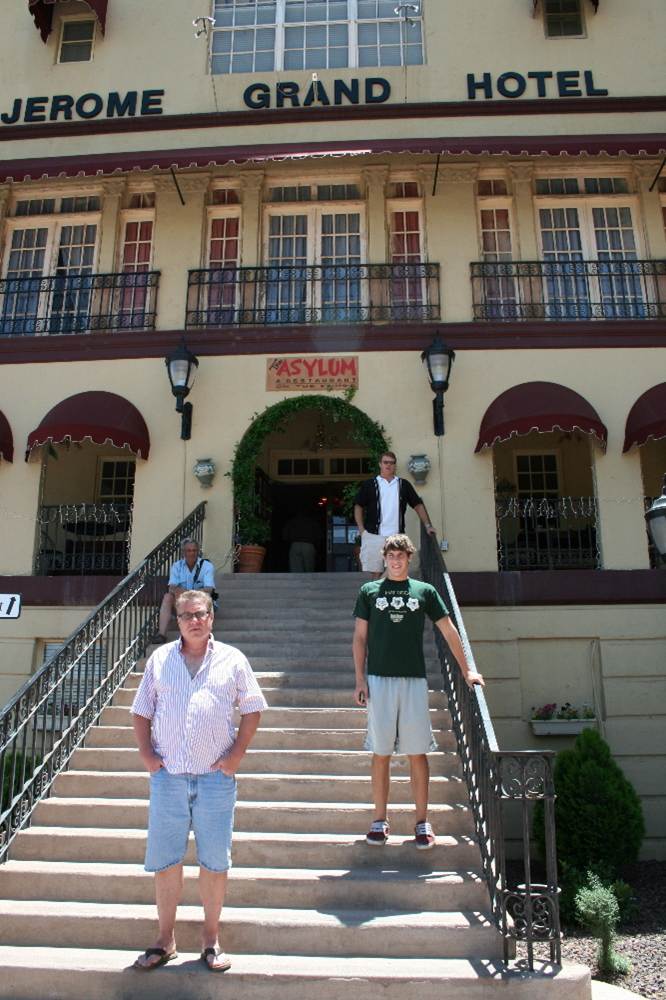
Bob Wolever, Jarid and Scott Church The Otis Elevator, which was Arizona's first
self-service elevator, was installed in the United Verde Hospital in 1926 and
serves all five levels of the building. This Otis elevator is different from
modern elevators because, designed for hospital use, it travels much more
slowly, at a distance of only 50 feet per minute, rather than the normal 800
feet per minute found on high rise buildings. The Otis elevator is narrow and
deep, designed for hospital equipment, such as gurneys and wheelchairs.
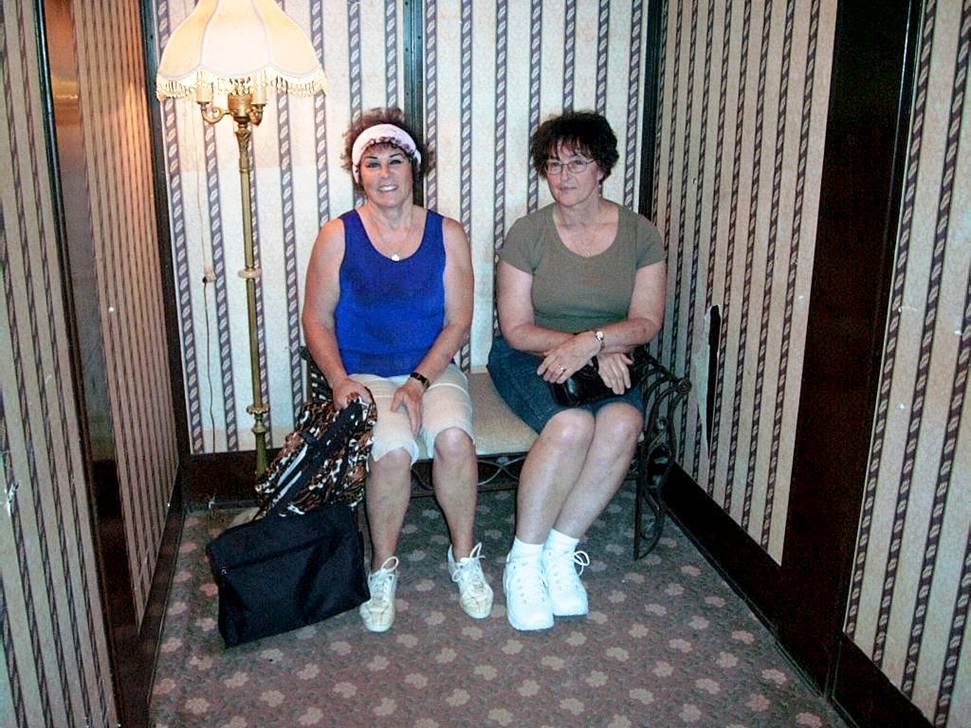
Asylun restaurant elevator, Mary Wolever and
Liz Semo 2007 About a mile north of Jerome when they dug a
1270 foot mine shaft, (you can still visit it today) searching for copper,
they struck GOLD, they became their own mining camp called “Haynes”. In 1901, the population was 30! They even had their own post office from
1908 – 1922. The gold ran out and the mine was closed. 91
years later the area was rediscovered by Terry & Don Robertson. The year was 1981 and Dons’ dream was to
share with the world some of the most unique and important icons of the
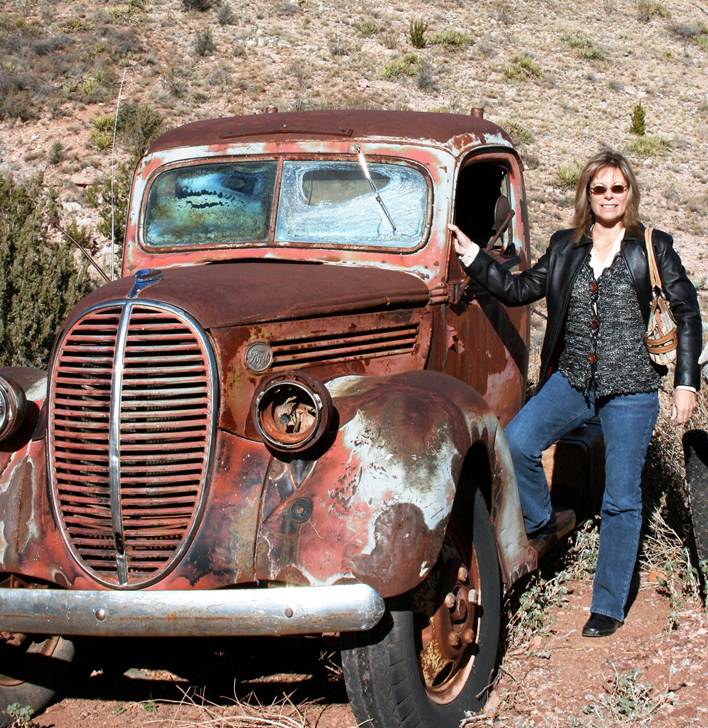
industrial revolution. Today, the property is filled with vintage
transportation: over 180 cars, trucks & motorcycles, including
Studebaker’s and Harley’s. There is
mining equipment, historic buildings and a Stamp Mill that was used for
crushing the ore. You will also find a
working sawmill and Blacksmith shop with gold panning and a petting zoo for
the kids!
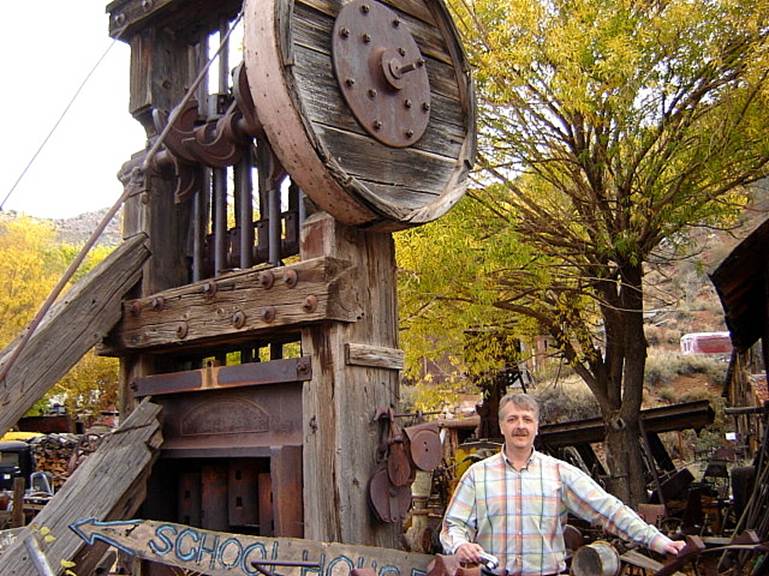
Isti Szilva at Californian stamp A stamp mill consists of a set of heavy steel
(iron-shod wood in some cases) stamps, loosely held vertically in a frame, in
which the stamps can slide up and down. They are lifted by cams on a
horizontal rotating shaft. As the cam moves from under the stamp, the stamp
falls onto the ore below, crushing the rock.
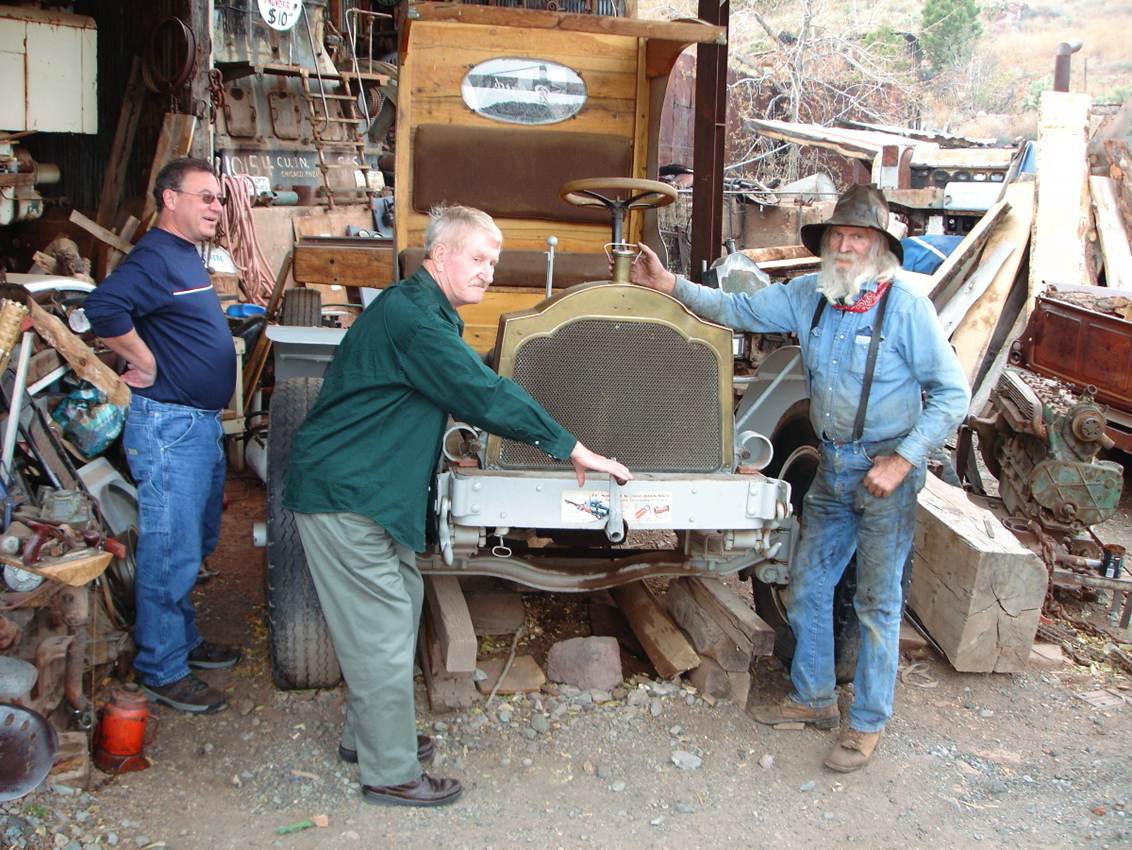
Bob Wolever, Ervin Szilva and owner
Cathy Church
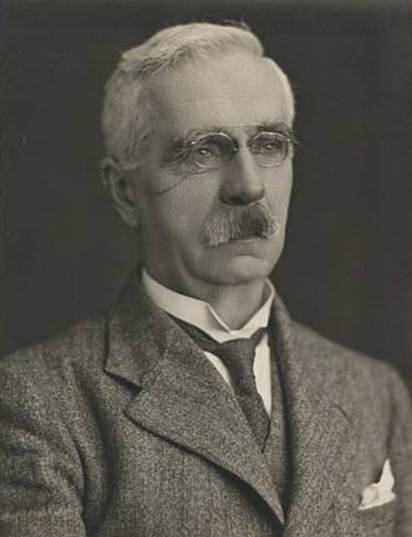
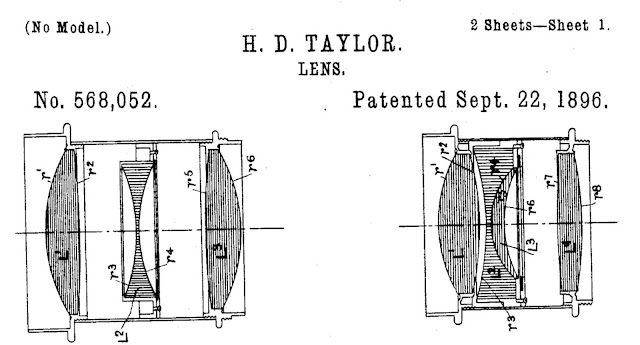
1893 First telephoto lens, design developed by H. Dennis Taylor working as chief enginreer
for the Cooke company in New York. With only three lens called th Cooke
Triplet. A telephoto lens is a type of lens that is
designed to capture images of distant objects or scenes. Telephoto lenses work by using a combination of lenses to
increase the focal length, allowing photographers to capture images of
distant objects or scenes
H. Dennis Taylor
Cooke Triplet The optical properties of telephoto lenses can be
represented mathematically using the lensmaker's
equation:
where
Telephoto lenses have enabled photographers to capture
images of distant objects and scenes that were previously inaccessible. This
has opened up new opportunities for wildlife photography, sports photography,
and landscape photography, among other genres.
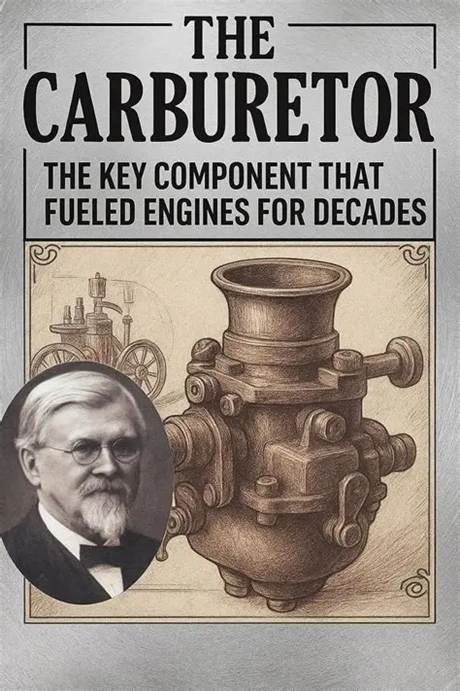
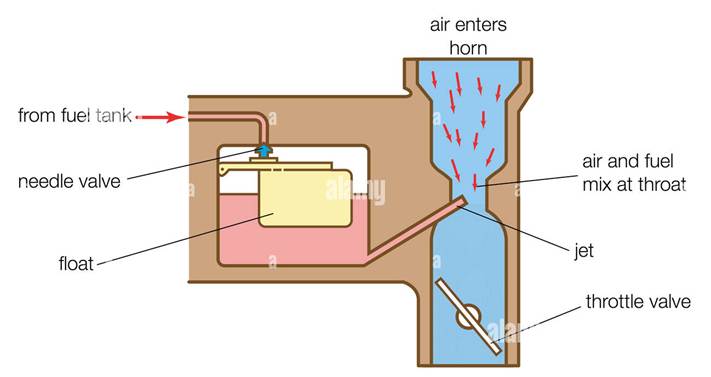
Invention of engine caruretor by Donát Bánki a Hungarian
mechanical engineer and inventor of Jewish heritage. The invention of the
carburetor helped the development of automobiles, as previously no method was
known to correctly mix the fuel and air for engines. Until 1893, there had been many problems with
the ignition of petrol engines due to uneven mixing of gases. Banki and
Csonka, two Hungarian engineers and inventors, suggested that the fuel should
be atomized into small particles and mixed with air in the right proportion.
In their patent description they wrote: “…in our engine no petrol pump is
needed for fuel feeding, as the petrol necessary for filling each cylinder
will be carried in by the air sucked into the engine…” This was the first
carburetor in the world and ever since billions of engines, cars,
power-boats, motor bicycles and aircraft over the world have used carburetors
designed according to Banki’s and Csonka’s theory.
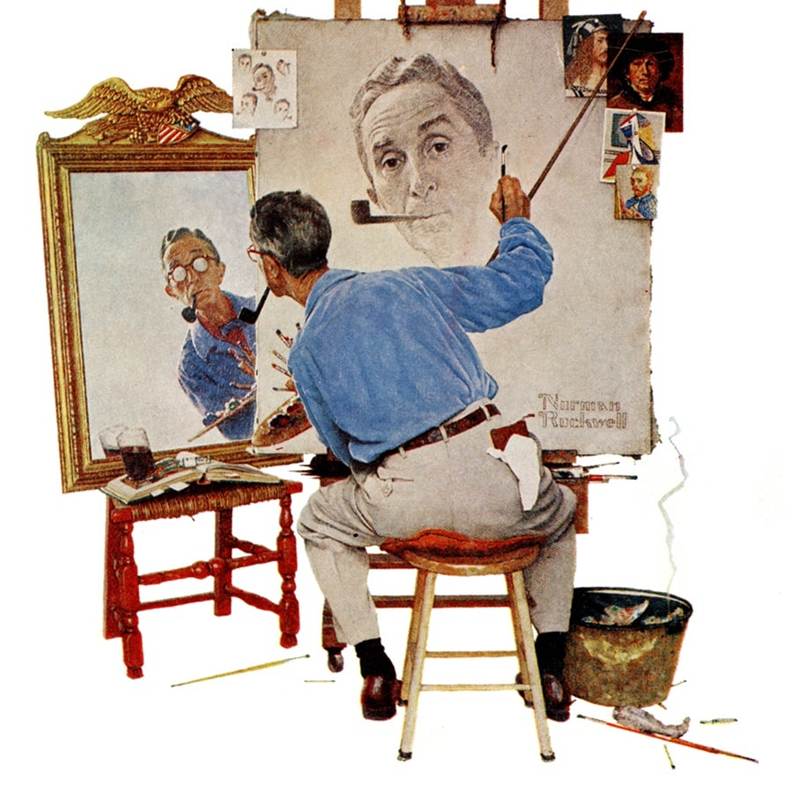
1894 Norman Rockwell is born, a prolific
artist, producing more than 4,000 original works in his lifetime.
For more information go to my
website article at: http://vernonite.com/photos.favorite.rockwell.html |