Home
About
Links
Hobbycraft
Photos
Downloads
|
1901 🌍 1.7 billion Allis-Chalmers
Company was formed as an
amalgamation of the Edward P. Allis Company (steam engines and mill
equipment), Fraser & Chalmers (mining and ore milling equipment), the
Gates Iron Works (rock and cement milling equipment), and the industrial
business line of the Dickson Manufacturing Company (engines and compressors).
It was reorganized in 1912 as the Allis-Chalmers Manufacturing Company.
During the next 70 years, its industrial machinery filled countless mills,
mines, and factories around the world, and its brand gained fame among consumers
mostly from its farm equipment business's orange tractors and silver combine
harvesters.
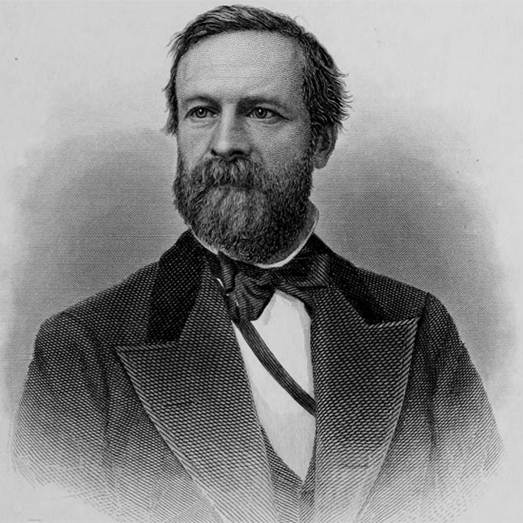
Edward Allis The managing director of the new company was Charles Allis, his
brother William was chairman of the board, and William J. Chalmers was deputy
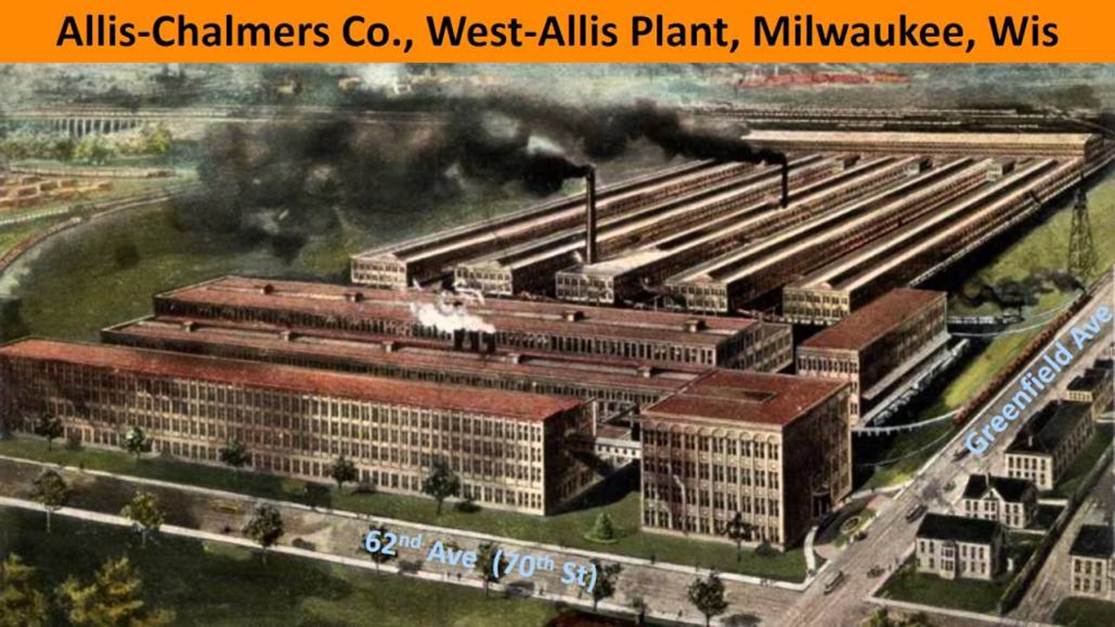
managing director. Shortly after the merger was completed, a new factory was
built in an area west of Milwaukee that was then known as North Greenfield.
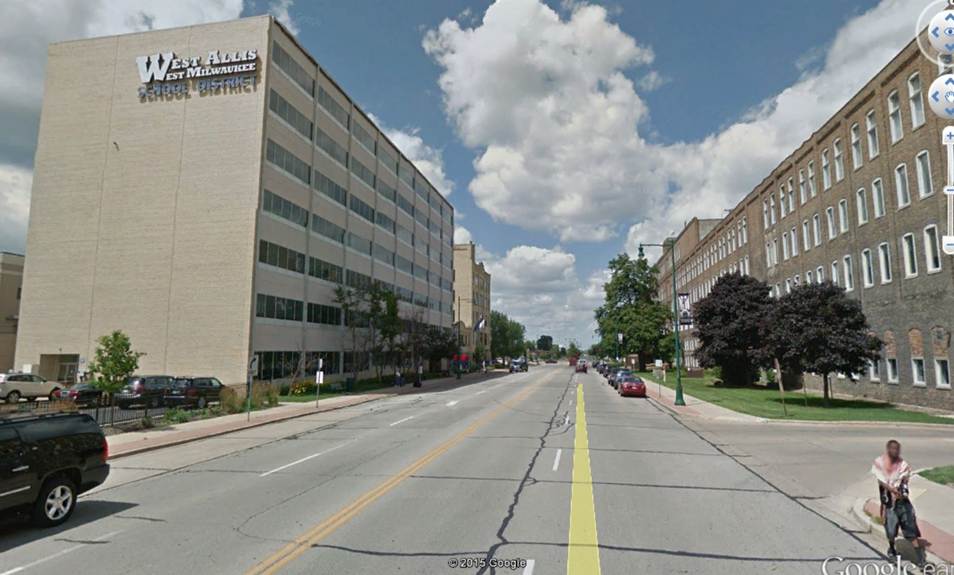
In 1902, with this new factory, the locale was renamed West Allis, Wisconsin.
With the combining of the constituent firms, Allis-Chalmers
offered a wide array of pyrometallurgic equipment, such as blast furnaces and
converters for roasting, smelting, and refining; ore milling equipment,
various kinds of crushers and pulverizers,
including stamp mills, roller mills, ball mills, conical mills, rod mills,
and jigging mills; cyanidation mills and other concentration mills; hoisting
engines; cars, including skip cars, slag cars, and general mine cars;
briquetting plants; and the pumps, tanks, boilers, compressors, hydraulic
accumulators, pipes, valves, sieves, and conveyors needed within these
products. Like other firms that build capital equipment for industrial
corporations, it also supplied consulting, erecting, and training services,
such as helping a mining company to design a plant, to build its buildings
and set up its machinery, and to teach the employees how to use and maintain
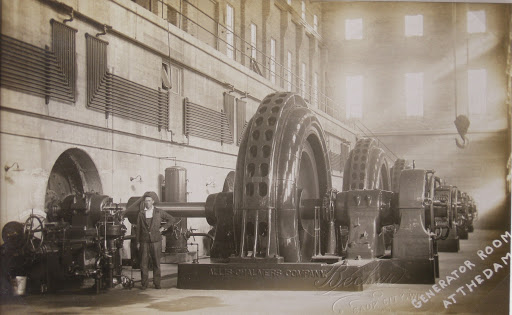
it. In 1903, Allis-Chalmers acquired the Bullock Electric Company of
Cincinnati, Ohio, which added steam turbines to Allis-Chalmers's powerplant
equipment business line.
By 1912, the Allis-Chalmers Company was in financial trouble, so
it was reorganized. It was renamed the Allis-Chalmers Manufacturing
Company, and Otto Falk, a former Brigadier General of the Wisconsin
National Guard, was appointed to turn it around. Falk saw great growth
potential in the mechanization of agriculture, which at the time was
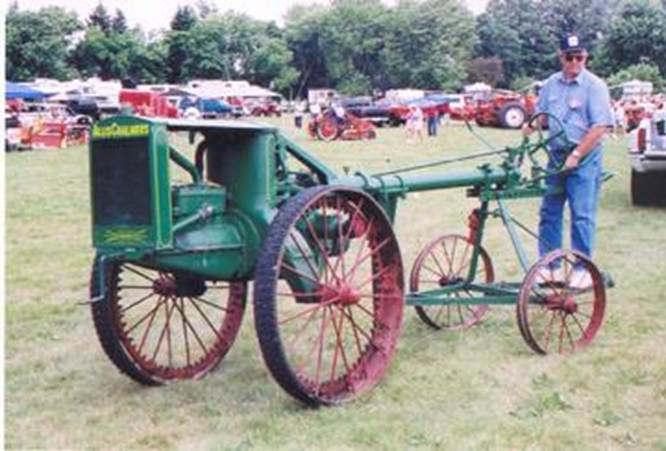
blossoming all over America. Allis-Chalmers's first farm tractors, the Model
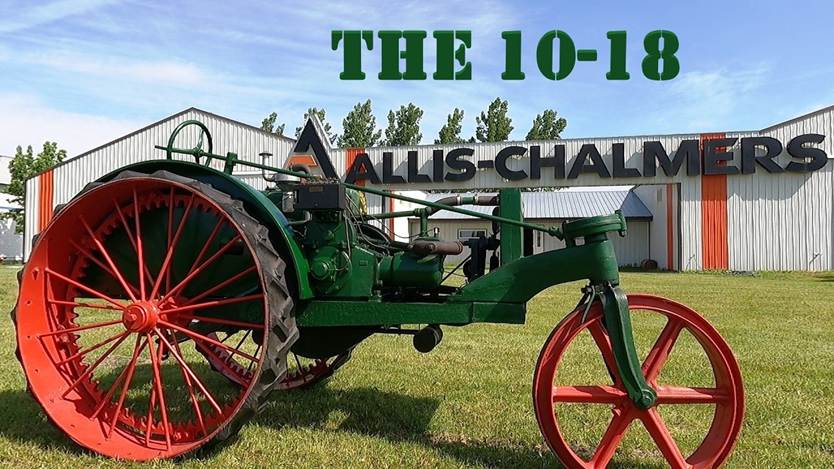
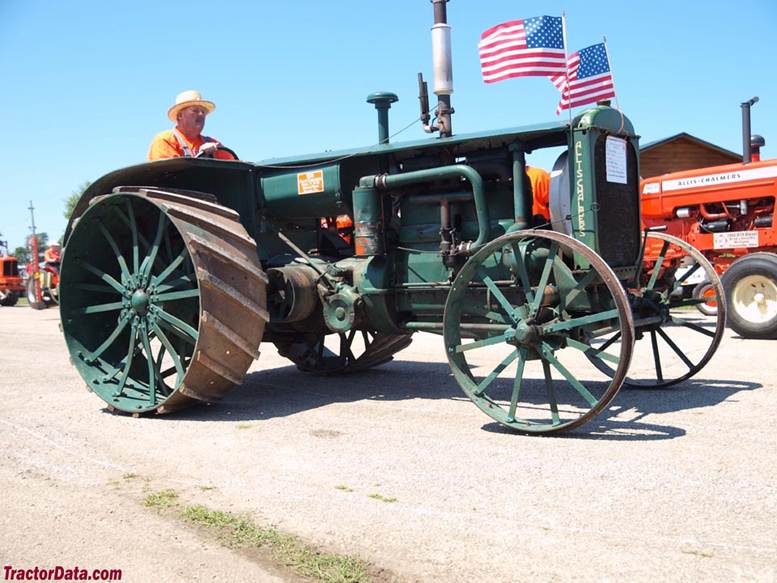
6-12, 10-18, the and the Model 18-30, were developed and marketed between
1914 and 1919, and the farm implement line was expanded. The two numbers in the model name
represented the drawbar horsepower and the belt horsepower. Early tractors
lost a lot of power through the drivetrain when pulling but could deliver
more power directly through the belt pulley. That’s
why the belt rating is always higher.
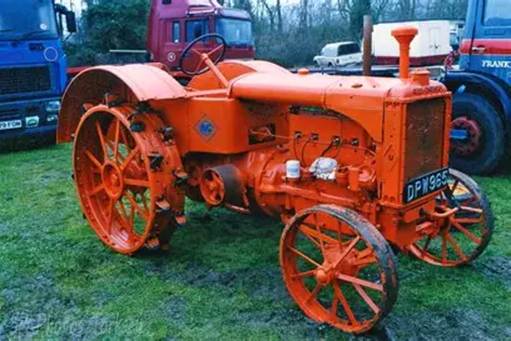
Allis-Chalmers 6-12 (6 HP drawbar, 12 HP belt)
Allis-Chalmers 18-30 The Roaring Twenties were a favorable time for consolidation and
even conglomeration throughout the business world. It was also a time of
strongly continuing mechanization on North American farms. At Allis-Chalmers,
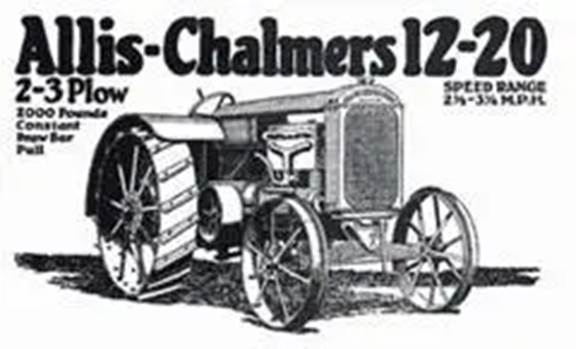
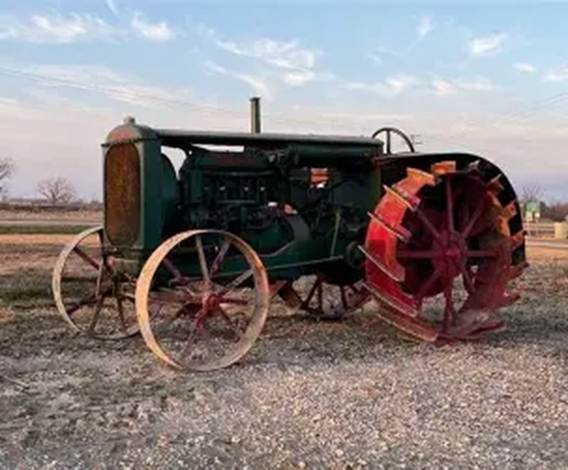
the 1920s brought yet more tractors, such as the 12-20, the 15-25, and the
United tractor/Model U.
Allis-Chalmers 12-20
Allis-Chalmers 15-25
Allis-Chalmers model U In 1926, Allis-Chalmers acquired Nordyke Marmon & Company of
Indianapolis, Indiana, a maker of flour-milling equipment. In 1927, it
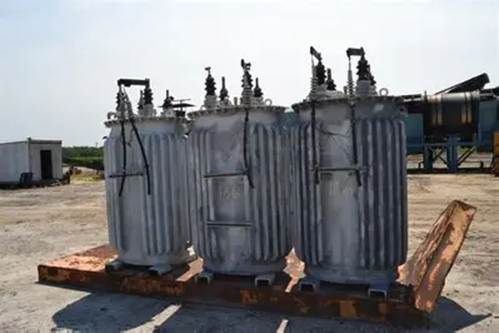
acquired the Pittsburgh Transformer Company, a maker of electrical
transformers.
In 1928, Allis-Chalmers acquired the Monarch Tractor Company of
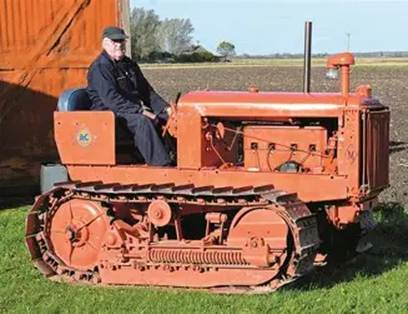
Springfield, Illinois, thus adding a line of crawler tractors. In 1929, it
acquired the La Crosse Plow Works of La Crosse, Wisconsin. The La Crosse Plow
Works had a good-quality plow and various desirable implements, which now
expanded the Allis-Chalmers implement line.
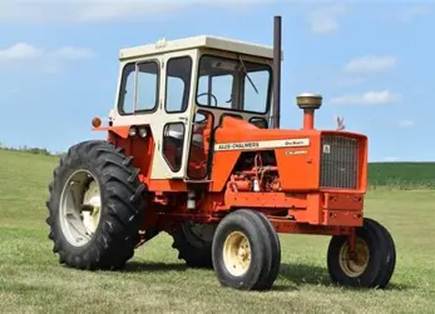
In 1929, Harry Merritt was in California when the bright orange
California poppy blossoms inspired him to think about the use of bright
colors in marketing. He soon changed the paint color of Allis-Chalmers's
tractors to Persian Orange, the available paint color that he felt most
closely resembled the California poppy's color. Thus began the tradition of
orange Allis-Chalmers tractors. Various competitors would follow suit over
the next decade, as International Harvester switched to all-red (1936), Minneapolis-Moline
switched to Prairie Gold (late 1930s), and Case switched to Flambeau Red
(late 1930s). John Deere already had a distinctive color scheme with its
bright green and yellow. In 1931, it acquired Advance-Rumely of
La Porte, Indiana, mostly because Merritt wanted the company's network of 24
branch houses and about 2,500 dealers, which would greatly increase
Allis-Chalmers's marketing and sales power in the farm equipment business.
Also in 1931, the corporation's electrical equipment business expanded via
acquisition when Brown, Boveri & Cie, in a financial pinch because of the
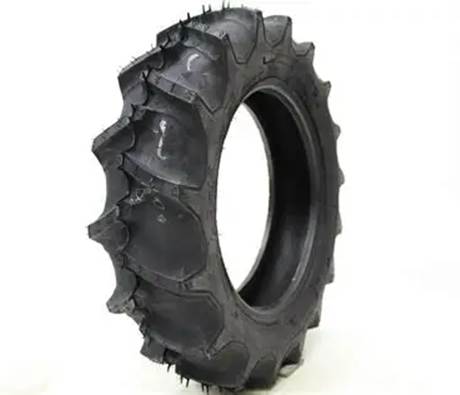
Depression, sold its U.S. electrical operations to Allis-Chalmers. In 1932, Allis-Chalmers collaborated with Firestone to introduce
pneumatic rubber tires to tractors.
The innovation quickly spread industry-wide, as (to many
farmers' surprise) it improved tractive force and fuel economy in the range
of 10% to 20%. Within only 5 years, pneumatic rubber tires had displaced
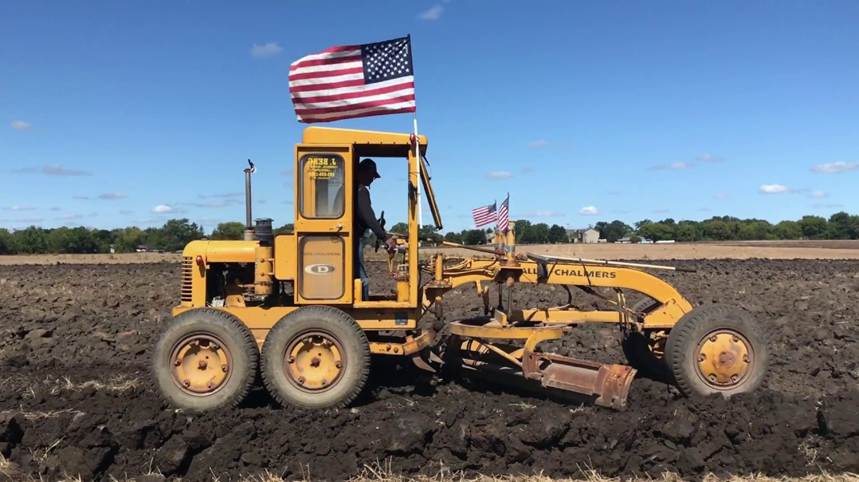
cleated steel wheels across roughly half of all tractors sold industry-wide. Cleated steel remained optional equipment into the 1940s. Also in 1932, Allis-Chalmers acquired the
Ryan Manufacturing Company, which added various grader models to its
construction equipment line.
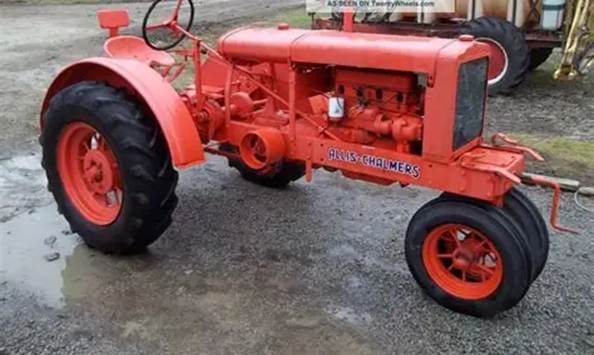
In 1933, Allis-Chalmers introduced its Model WC, its
first-generation row-crop tractor, which would become its highest-selling
tractor ever.
In 1937, its lighter and more affordable second-generation
row-crop, the Model B, arrived, and also became a top seller. Its All-Crop
Harvester was the market leader in pull-type (tractor-drawn) combine harvesters.
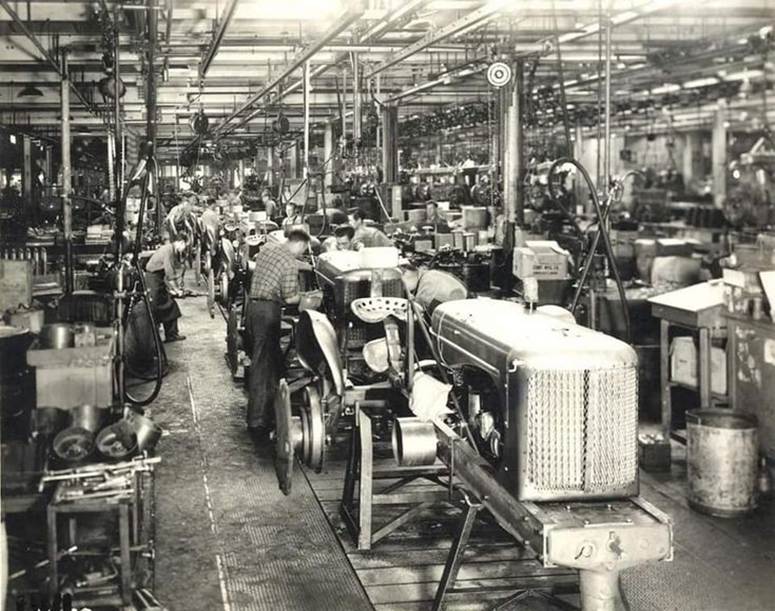
Allis-Chalmers tractor assembly line In October 1937, Allis-Chalmers was one of fourteen major
electrical manufacturing companies that went to court to change the way labor
unions excluded contractors and products in the building trades through the
union use of the "Men and Means Clause". The action of
Allis-Chalmers and others eventually resulted in the U.S. Supreme Court
decision of June 18, 1945, that ended certain union practices that violated
the Sherman Antitrust Act. World War II caused Allis-Chalmers, like most other
manufacturing companies, to become extremely busy. As happened with many
firms, its civilian product lines experienced a period of being "on
hold", with emphasis on parts and service to
keep existing machines running, but its war materiel production was pushed to
the maximum of productivity and output. In the late 1930s through mid-1940s,
Allis-Chalmers made machinery for naval ships, such as Liberty ship steam
engines, steam turbines, generators, and electric motors; artillery tractors
and tractors for other army use; electrical switches and controls; and other
products. Allis-Chalmers was also one of many firms contracted to build
equipment for the Manhattan Project. Its experience in mining and milling
machinery made it a logical choice for uranium mining and processing
equipment. Allis-Chalmers ranked 45th among United States corporations in the
value of wartime military production contracts. Immediately at the war's end, in 1945–1946, Allis-Chalmers
endured a crippling 11-month labor strike. After WWII some companies refused to sell equipment to Japanese
farmers. Allis-Chalmers dealers did not hesitate to sell to these farmers so
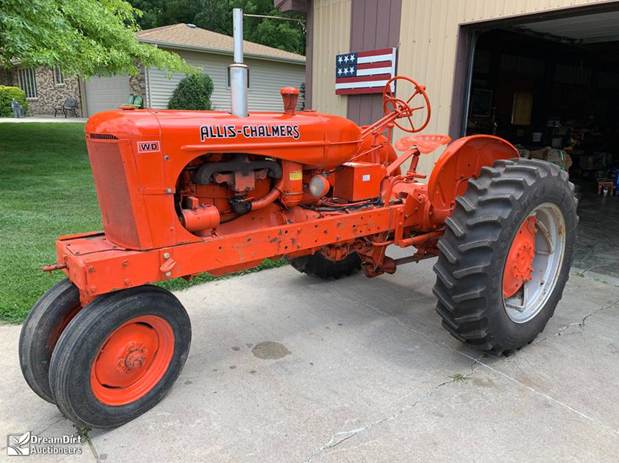
many farms to this day still have an Allis-Chalmers tractor. In 1948, the Model WC was improved with various new features and
became the Model WD, another top seller. The WD was a milestone for the
company. It included fully independent power take off, which was powered by a
two clutch system. It also included power adjust
rear wheels, which became an industry standard. Production of this model
continued into 1953, with nearly 150,000 tractors produced.
WD model In the early 1950s, Allis-Chalmers’ 30,000+ employees generated
more annual revenue than IBM. The
company was as big as the two largest pharmaceutical makers combined
(American Home Products and Johnson & Johnson). It was also larger than 3M and Coca-Cola
combined. The 1950s were a time of great demand for more power in farm
tractors, as well as greater capability from their hydraulic and electrical
systems. It was also a decade of extensive dieselization, from railroad
locomotives to farm tractors and construction equipment. In 1953,
Allis-Chalmers acquired the Buda Engine Company of Harvey, Illinois. Allis
wanted Buda for its line of diesel engines, because its previous supplier,
Detroit Diesel, was a division of General Motors, whose recent acquisition of
the Euclid heavy equipment company now made it a competitor of Allis-Chalmers
for construction equipment business. The Buda-Lanova models were re-christened the "Allis-Chalmers Diesel" engine
line. Diesel engineers were busy during the following years updating and
expanding the line. In 1952, the company acquired Laplant-Choate,
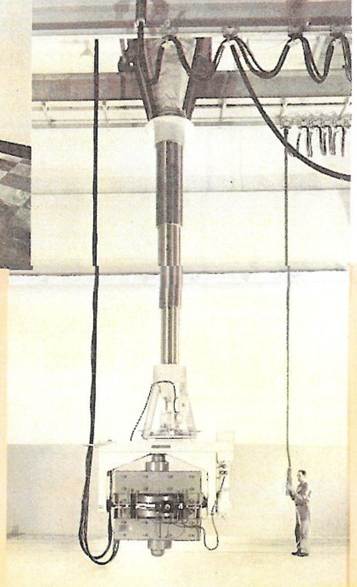
which added various models of scrapers to its construction equipment line. The betatron lab was constructed at
the West Allis complex. The betatron was
essentially a giant X-ray machine used to inspect for imperfections in the
large components made in the foundry. This was housed in a small concrete lab.The building was finished
and operational in September 1952 and cost $342,000. The company said that
the cost of the betatron lab was recouped in less
than a year from savings earned from inspecting equipment for quality and
precision.
The walls of the “L” shaped x-ray bay were constructed with
steel reinforced concrete walls that were 6 feet thick and 20 feet high.
Approximately 1000 cubic yards of concrete were used. The bay had a 25-ton
bridge crane that moved components into position and then reloaded them on
trailers or rail cars. The 22 million volt betatron hung suspended from a 7.5-ton bridge crane that
allowed the unit to be moved around the entire work space.
It could raise 20 feet above the floor, rotate 360 degrees around and tilted 170 degrees. In addition to the testing bay, the
building had several other rooms for the testing processes. The control room
housed the equipment that operated the giant x-ray behind the thick concrete
walls. There was also a darkroom and viewing room that processed the film.
Other areas included the electrical equipment room, storage, offices and wash rooms. Allis-Chalmers made other betatron
units for medical use in cancer treatment. Just another fine example of the
sophisticated products the great Milwaukee manufacturer had a hand in. In 1953, the WD-45 was introduced, replacing the WD. The motor
was increased to 226 cubic inches, giving it 30 horsepower on the drawbar at
the Nebraska Tests. A new Allis Chalmers designed Snap- Coupler hitch was
used. It allowed the operator to hook up to an implement from the seat of the
tractor. A Buda diesel-powered WD-45 was introduced in 1955. This series
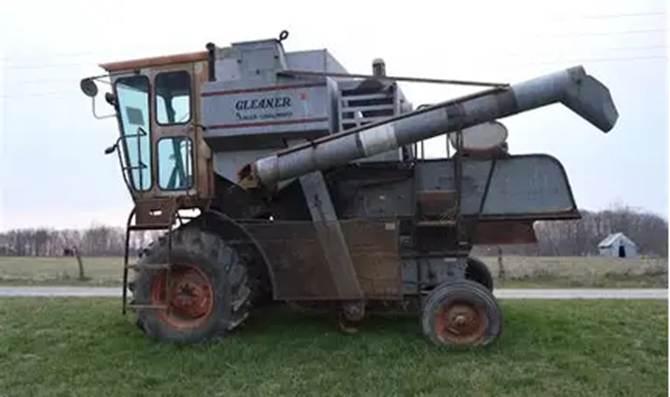
stayed in production until the unveiling of the D-series in 1957. In 1955, the company acquired Gleaner Manufacturing Company,
which was an important move for its combine harvester business. Allis was the
market leader in pull-type (tractor-drawn) combines, with its All-Crop
Harvester line. But acquiring Gleaner meant that it would now also be a
leader in self-propelled machines, and it would own two of the leading brands
in combines. The Gleaner line augmented (and later superseded) the All-Crop
Harvester line, and for several years Gleaner's profits made up nearly all of
Allis-Chalmers' profit.
Gleaner K and G combine The D series continued to be successful in the 1960s. The
factory-installed turbocharger on the D19 was the first in the industry. It
was soon followed by the 190 and the 190 XT, which was a direct competitor
for the John Deere Model 4020 with 98 horsepower (factory rating).
In 1960, Allis-Chalmers built the first grate-kiln ore pellet
plant at the Humboldt mine in Michigan. The company eventually built about 50
such plants. In 1965, Allis-Chalmers acquired Simplicity for its line of lawn
and garden equipment. Also in that year, the nuclear reactor SAFARI-1, a
research reactor built by Allis-Chalmers, went into operation. SAFARI-1 is a
20 MW light water-cooled, beryllium reflected, pool-type research reactor,
initially used for high level nuclear physics research programs.
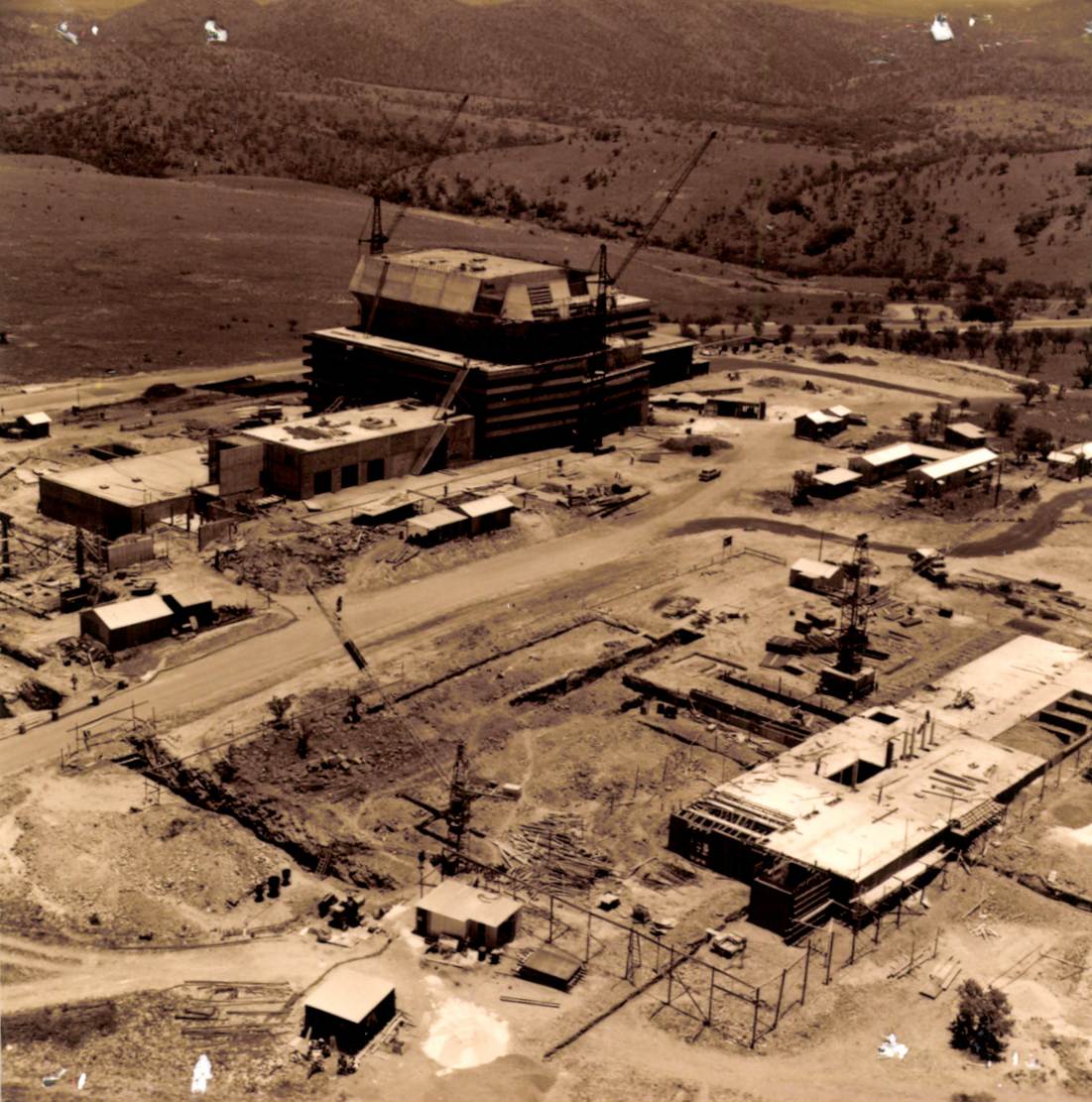
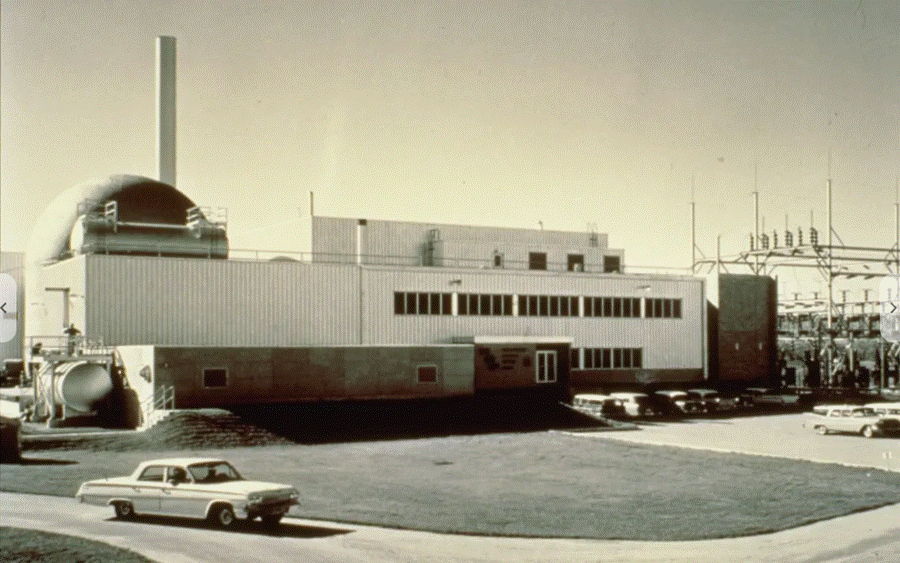
The Pathfinder Atomic Power Plant was a nuclear power plant
built by Northern States Power Company. It was located just northeast of
Sioux Falls, South Dakota, and west of its suburb of Brandon. It was named
for the 19th century explorer John C. "Pathfinder" Fremont and was
constructed in the mid-1960s in partnership with a group of other
investor-owned utilities. The main goal of this facility was to be a 'proof
of concept' plant to gain practical experience in operating a nuclear plant.
Some of the other participating utilities would also go on to build their own
plants. The superheater developed by Allis-Chalmers was plagued with
technical difficulties, after the plant first fission in 1964. After two years the Station first began to generate electricity
to the grid, and after only about a year, on September 16 1967 an accident
occurred which led to NSP's decision to retire the reactor (and convert the
plant to run on gas and oil by 1968), the lessons NSP learned from Pathfinder
served the company in its operation of the Prairie Island and Monticello
nuclear plants. The longest Pathfinder ever ran at its full rated power was
30 minutes, and it was only then the company found
the flaws that led to the decision to retire the reactor. After sitting idle
for 23 years, the reactor vessel was removed from the plant in 1990 and
transported to a low-level radioactive material dump in Washington.
In 1974, Allis-Chalmers's construction equipment business was
reorganized into a joint venture with FIAT S.p.A., which bought a 65%
majority stake at the outset. The new company was
called FIAT-Allis. In 1977, to compete in the recently expanding market segment of
compact diesel utility tractors (such as the Kubota line and the Ford 1000 and 1600 built by Shibaura), Allis-Chalmers
began importing Hinomoto tractors with Toyosha diesel engines from Japan. They were rebadged
with the Allis-Chalmers brand for U.S. sales. In 1978, a joint venture with Siemens, Siemens-Allis, was
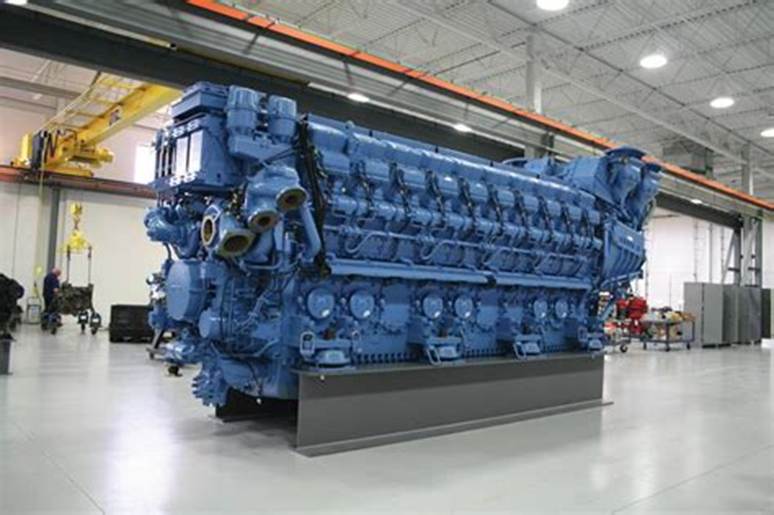
formed, supplying electrical control equipment. In 1981 Allis-Chalmers was licensed for slow-speed diesels with
B&W Diesel A/S of Copenhagen, Denmark, grants to Allis-Chalmers full
responsibility for the manufacturing, marketing, and servicing of slow-speed
diesels rated 4,000 to 48,000 bhp used primarily for marine propulsion and
stationary power applications.
In 1983, Allis-Chalmers sold Simplicity, the lawn and garden
equipment division, to the division's management. 1985 was a year of great dissolution for Allis-Chalmers—the year when it folded three of its main
business lines: In 1998, what remained of the Allis-Chalmers manufacturing
businesses were divested, and in January 1999, the company officially closed
its Milwaukee offices. The remaining service businesses became Allis-Chalmers
Energy in Houston, Texas. *
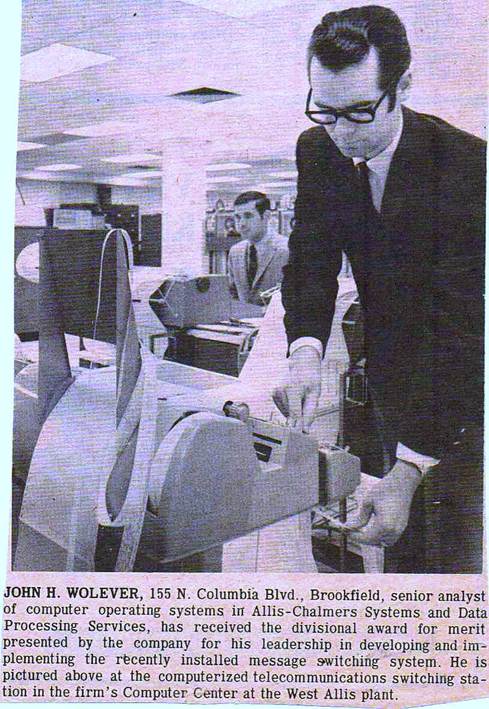
* * I worked for Allis-Chalmers in West Allis WI from October 3,
1960-until February 10, 1983.
|