Home
About
Links
Hobbycraft
Photos
Downloads
|
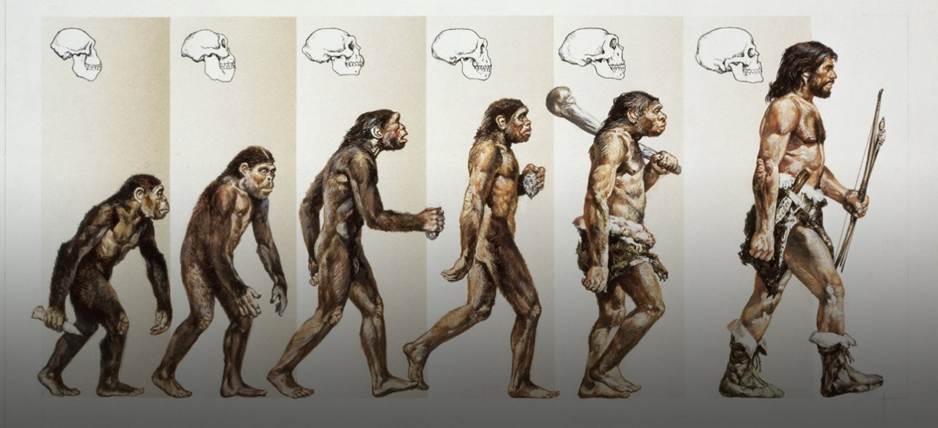
250,000 🌍 10,000 population Humans
evolve, Homo sapiens emerge
in Africa and begin to spread globally. Primates that belong to the
biological family of great apes, characterized by hairlessness, bipedality,
and high intelligence. Humans have large brains, enabling more advanced
cognitive skills that facilitate successful adaptation to varied
environments, development of sophisticated tools, and formation of complex
social structures and civilizations.
|
|
70,000 🌍 5,000 God
infused the soul, a divine gift when humans became
capable of moral reasoning, abstract thought, and spiritual awareness. Christianity (Catholic view): The soul is created directly by
God and infused at the moment of conception. Pope Pius XII affirmed this in
Humani Generis (1950), emphasizing that the soul is not a product of
evolution but a spiritual creation. Judaism: Views vary. Some rabbinic teachings suggest ensoulment
occurs at conception, others at birth or at the moment of “quickening” (when
fetal movement is first felt). Islam: Many Islamic scholars believe the soul enters the fetus
at around 120 days after conception, based on Hadith sources. Ancient Greek Philosophy: Aristotle believed male fetuses
received a human soul at 40 days, and female fetuses at 90 days, following a
progression from vegetative to animal to rational soul Science doesn’t detect or define souls.
|

|
52,000 Bow
and arrows are used, characteristically in modern human
behaviors, such as the making of shell beads, bone tools and arrows, and the
use of ochre pigment. Since archery equipment is made from organic materials like
wood, leather, and animal fibers, it would have long since degraded, making
it impossible to find one of the actual bows that might have been
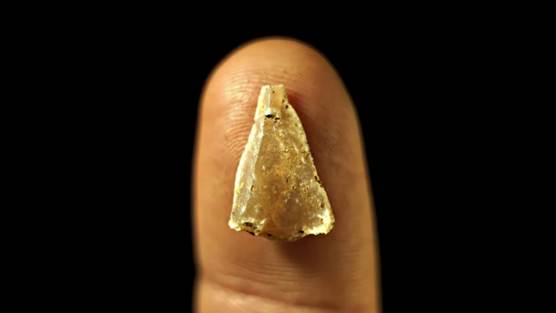
manufactured 50,000 years ago. But the fractured arrowhead points and the
arrowhead design make it clear that bows of some type would have been used to
propel them. The stone points are the earliest evidence in Europe for the use
of bows and arrows by early modern humans and suggests that the technology
may have given this human lineage an edge over the Neanderthals for hunting
prey.
|
|
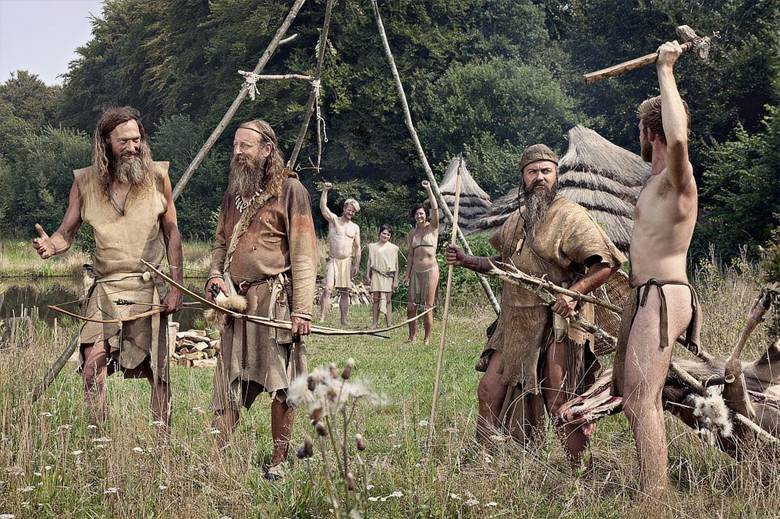
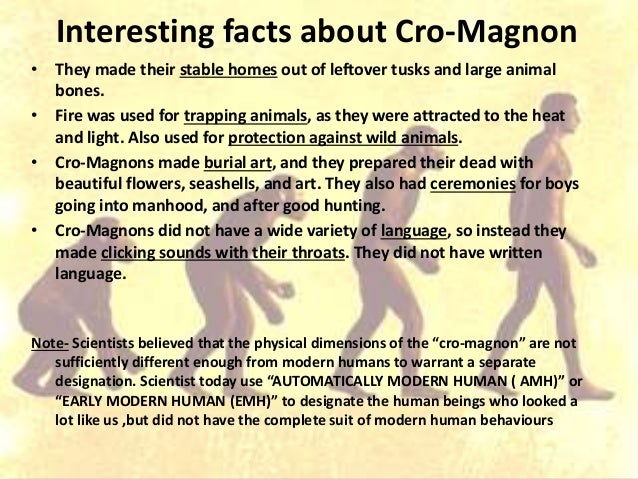
40,000 🌍 5 million Cro-Magnons
flourishing, were the first early modern humans (Homo sapiens) to settle in
Europe and North Africa, migrating from Western Asia. They interacted and
interbred with the indigenous Neanderthals of Europe and Western Asia.
Cro-Magnons are well renowned for creating a diverse array of artistic works,
including cave paintings, Venus figurines,
perforated batons, animal figurines, and geometric patterns. They also wore
decorative beads and plant-fiber clothes dyed with various plant-based dyes.
For music, they produced bone flutes and whistles, and possibly also
bullroarers, rasps, drums, idiophones, and other instruments. Cro-Magnons were robustly built and powerful and are presumed to
have been about 5 feet 5 inches to 5 feet 7 inches tall. The body was
generally heavy and solid, apparently with strong musculature. The forehead
was straight, with slight brow ridges, and the face short and wide.
Cro-Magnons were the first humans to have a prominent chin. The brain
capacity was about 100 cubic inches, somewhat larger than the average for
modern humans. It is thought that Cro-Magnons were probably fairly tall
compared with other early human species. This era, characterized by the use of stone tools and the
emergence of the first recognizable forms of human society, saw the
beginnings of religious thought and practice. The study of these origins
often involves a blend of archaeological evidence, anthropological theory,
and comparative mythology. Early religious practices were deeply intertwined with the daily
struggle for survival and the mysteries of the natural world. The spiritual
beliefs of these early humans were likely animistic, a worldview where
animals, plants, and inanimate objects all possessed spiritual essence or a
soul. This belief is evident in the cave paintings found in various parts of
the world, such as in Lascaux, France, and Altamira, Spain. These paintings,
which often depict animals and hunting scenes, suggest a reverence for the
natural world and possibly a belief in totemic spirits or deities. the emergence of burial practices, which suggest a belief in an
afterlife or a spirit world. The deliberate burial of the dead, often with
grave goods, indicates an early form of ancestor worship or a belief that the
dead required items for their journey in the afterlife. This practice
reflects a significant development in religious thought, as it implies an
awareness of mortality and a belief in some form of existence beyond death.
|
|
25,000 🌍 3 million Bering
Strait is crossed by humans, connecting
Asia to the Americas.
|

|
20,000 First
native Americans migrated from Asia, across the Bering land bridge
during the Ice Age. Earliest recognized inhabitants classified as Paleo-Indians, who
spread throughout the Americas, diversifying into numerous culturally
distinct nations. Paleo-Indians (called Paleo-Americans or Paleoamericans)
were the first peoples who entered and subsequently inhabited the Americas.
Major Paleo-Indian cultures included the Clovis and Folsom traditions,
identified through unique spear points and large-game hunting methods,
especially during the earliest period of human occupation in the Americas
(Lithic stage).
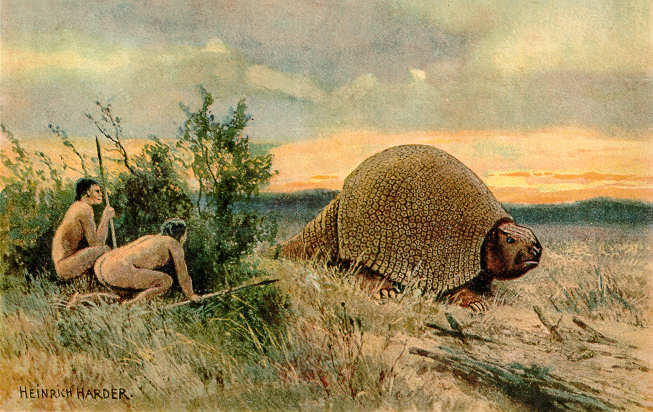
Paleo-Indians
hunting a glyptodont |
|
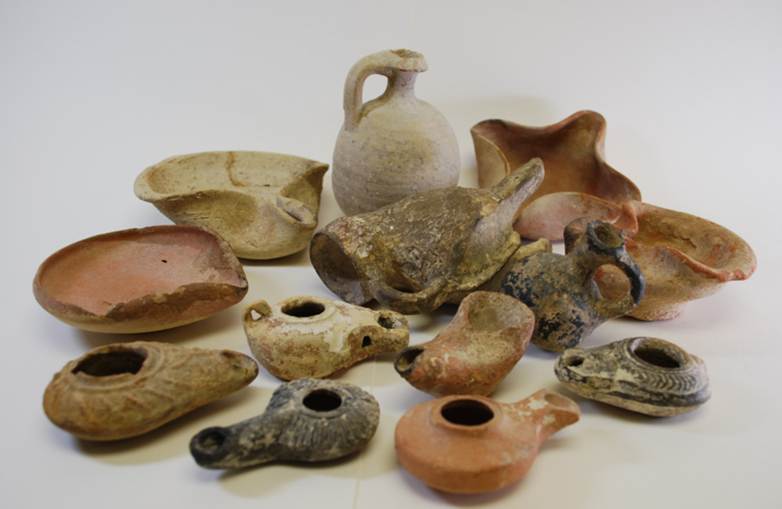
18,000 Clay
pottery ware is created. Humans begin to use raw metals Last Glacial Maximum was at its height,
the Earth was experiencing the coldest climatic conditions for more than a
million years. Plant and animal food would not have
been easy to come by, and the production of clay-fired pots as cooking
devices would have allowed people to extract the maximum nutritional goodness
from their food by cooking it. Cooking food is one of the best ways of boosting
nutritional intake from starchy plants and meat. In any event, archeological
evidence shows that news of this ancient art spread rapidly within East Asia.
Chinese hunter-gatherers may have established seasonal camps, specifically to
make pots.
|
|
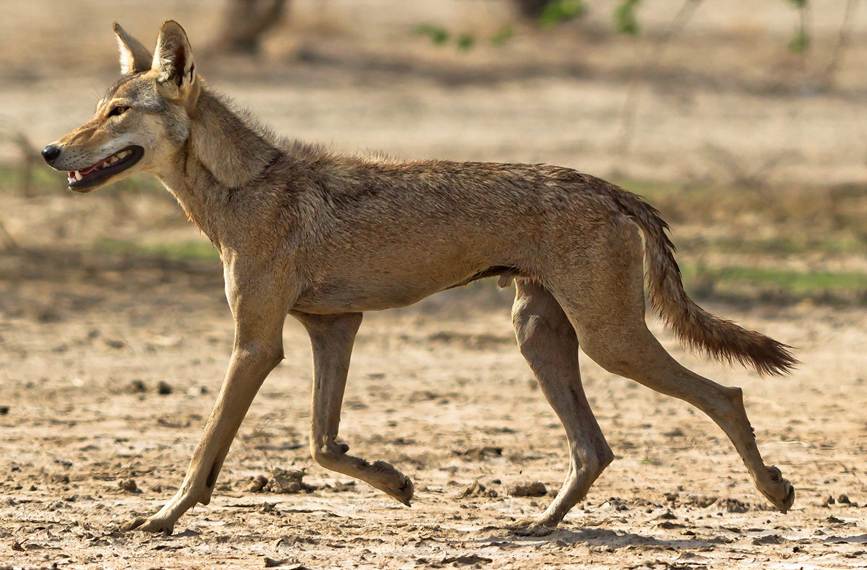
14,000 First domesticated dog, occurred due to variation among the common ancestor wolf population
in the fight-or-flight response where the common ancestor with less aggression and aversion but greater altruism towards
humans received fitness benefits. As such, the domestication of the dog is a
prominent example of social selection rather than artificial selection. The
archaeological record and genetic analysis show the remains of the Bonn-Oberkassel dog buried beside humans, to be the first
undisputed dog.
|
|
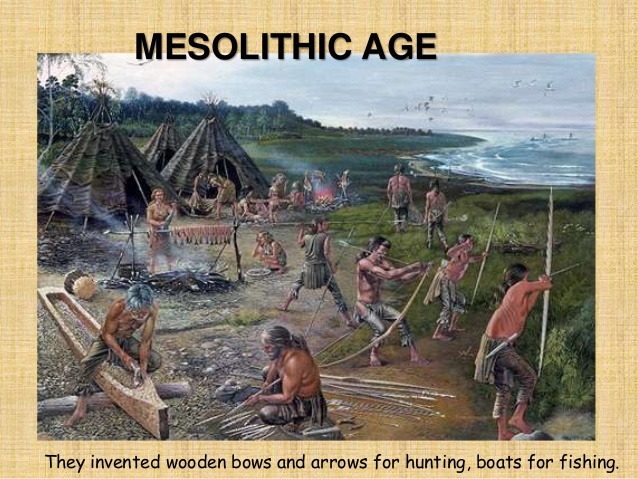
10,000 🌍 4.5 million The
Mesolithic Period, also known as the Middle Stone Age, is
a transitional phase in human history that occurred between the Paleolithic
(Old Stone Age) and the Neolithic (New Stone Age). It generally spans from
around 10,000 to 4,000 B.C.E., characterized by the development of smaller,
more sophisticated stone tools and a shift towards a more diverse
hunter-gatherer lifestyle. religious practices became more structured.
Mesolithic age (10,000 – 4,000) Humans make it to the southernmost point of South America. |