Home
About
Links
Hobbycraft
Photos
Downloads
|
1986 Beginning
of Jack Link’s beef jerky. In the great white forest of north western
Wisconsin sits the most prominent beef jerky maker in the country. Closer to
Duluth, MN and the boundary waters than a major Wisconsin city, it’s quite
the place to have a large scale beef jerky
operation. In the late 1800’s, Chris Link took the leap and brought his
family to Minong, Wisconsin from Germany in search of a better life. His
family’s secret sausage recipe traveled with him and is the basis for the
company we know today. Chris’s son Earl started the family legacy by opening
Minong Wisconsin’s first general store and butcher shop. They made beef
snacks and sold their cattle locally, making a name for having a reputable
operation. Minong is still where they’re headquartered today. Wolf (yes, Wolf) Link took us into the 20th century when he was
born in 1916. Wolf was renound in the northern
Midwest for having the finest cattle herd around. Quite the feat back then.
Wolf had one more claim to fame though: his son Jack… Jack Link. Jack became obsessed with perfecting his family’s jerky recipes.
As the story goes, Jack was out hunting with his two sons and having picked
up some local beef snacks to sustain them throughout the day, he found
himself distraught by the terribly bland taste of the beef they had chosen.
Knowing he could do better, Jack took a dive into the family archives and
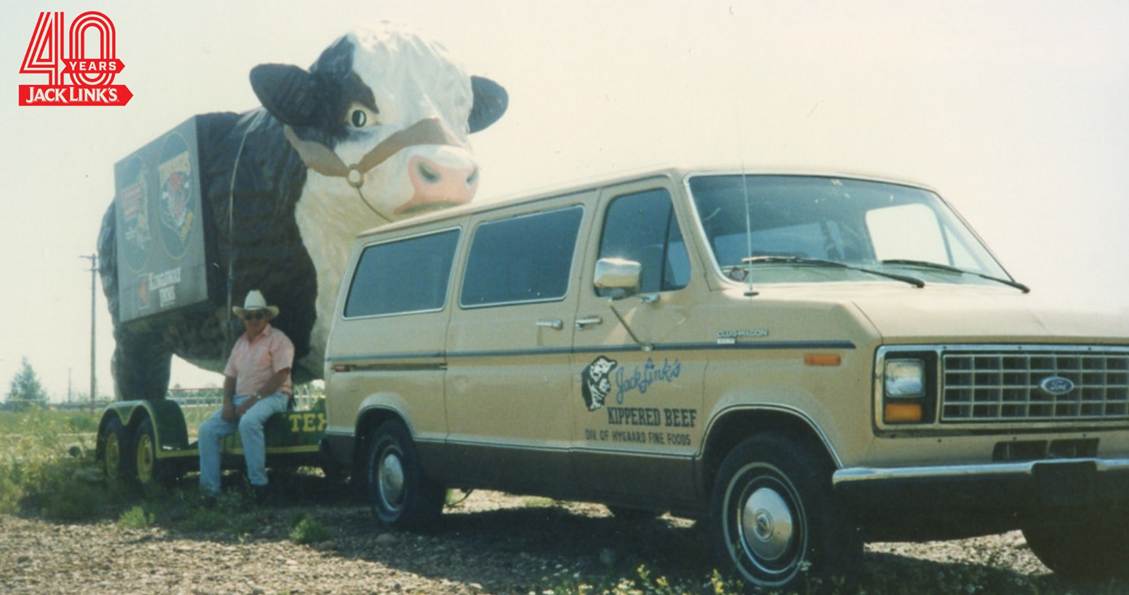
came up with the original Kippered beef steak recipe. 1986 Jack formalized
his love for the meat world when he bought a jerky machine and founded the company
we know today as Jack Link’s beef jerky. After the cumbersome endeavor of
starting a business and sharing his beef with the world, jack struck gold and
it took off. To keep up with product innovations and consumer demand, the
company has expanded over the years. To increase domestic production,
Link Snacks doubled their processing capacity in the main Minong facility,
and purchased Dakota Trails in South Dakota, New Glarus Foods in Wisconsin
and King B in Idaho. A new distribution and storage facility opened in
Laurens, Iowa in 2005. The company also has a processing plant in New
Zealand that manufacture products for sale in Today Jack’s oldest son Troy sits at the helm of the company.
With 4 generations of meat history backing him, along side the world's friendliest yeti, the
company still continues to thrive. Having more recently purchased Unilever’s
meat snack division, the company went international and is one of the most recognizeable snack food manufacturers in the world. Jack Link himself still resides in Minong. He’s rigorously
involved in the community and quite frankly after watching a few interviews
he’s about the most clean cut, down home, Wisconsin
man you can imagine. An amazing family story and an amazing Wisconsin
company.
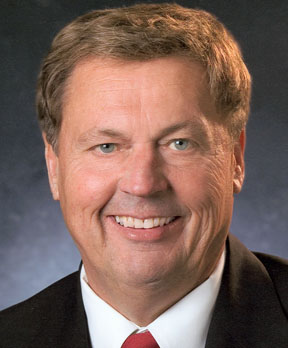
Jack Link
*
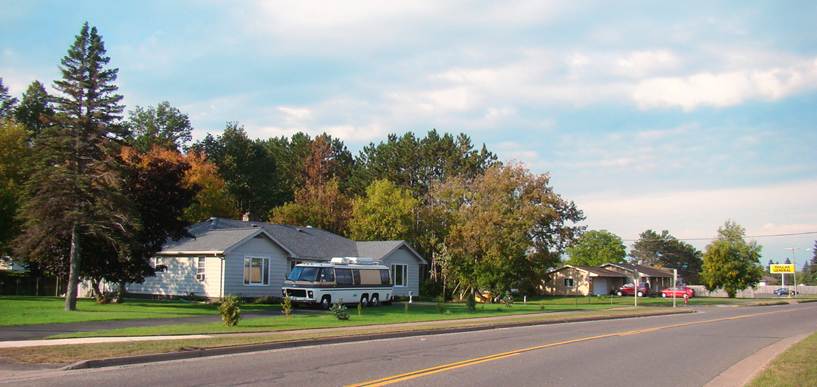
* * Jack Link’s father “Wolf Link” had a brother Francis Link,
making him Uncle Francis. Growing up I am sure Jack spent time at Uncle
Francis’s place in Minong. The home was across the street from the current
Link Ford dealership that Francis stated in 1946. That’s the home we
purchased in 2013.
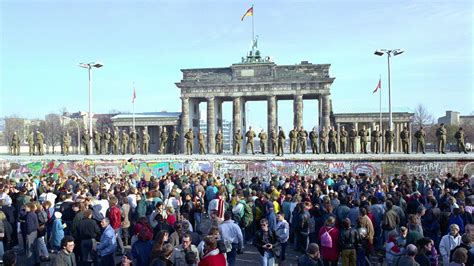
1989 Berlin
Wall came down in Germany, reuniting East and West Germany,
and foreshadowing the fall of the Soviet Union. It stood for 28 years to
separate the two sides of Berlin and the two sides of Germany. In the years between 1949 and 1961, about 2.5 million East
Germans had fled from East to West Germany, including steadily rising numbers
of skilled workers, professionals, and intellectuals. Their loss threatened
to destroy the economic viability of the East German state. In response, East
Germany built a barrier to close off East Germans’ access to West Berlin and
hence West Germany. That barrier, the Berlin Wall, was first erected on the
night of August 12–13, 1961, as the result of a decree passed on August 12 by
the East German Volkskammer (“Peoples’ Chamber”). The original wall, built of
barbed wire and cinder blocks, was subsequently replaced by a series of
concrete walls (up to 15 feet high) that were topped with barbed wire and
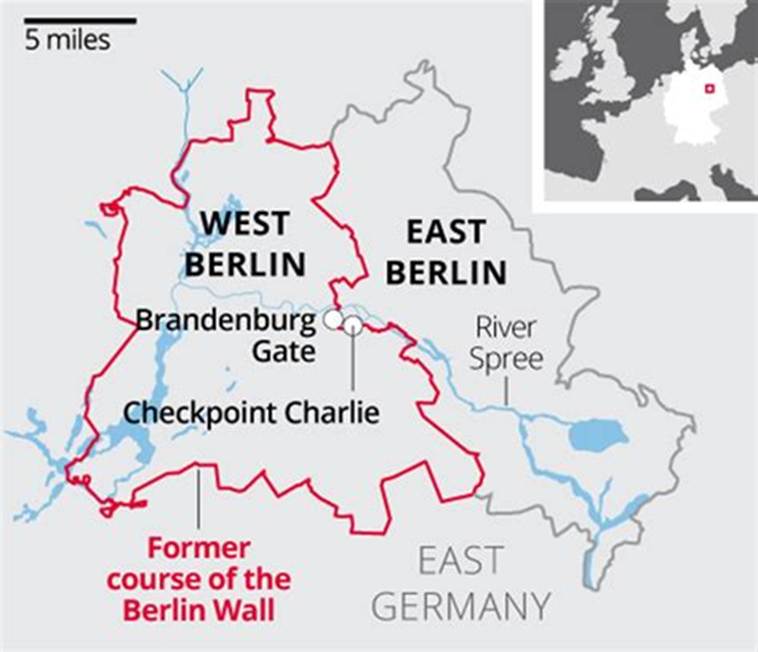
guarded with watchtowers, gun emplacements, and mines. By the 1980s that
system of walls, electrified fences, and fortifications extended 28 miles
through Berlin, dividing the two parts of the city, and extended a further 75
miles around West Berlin, separating it from the rest of East Germany. The Berlin Wall came to symbolize the Cold War’s division of
East from West Germany and of eastern from western Europe. About 5,000 East
Germans managed to cross the Berlin Wall (by various means) and reach West
Berlin safely, while another 5,000 were captured by East German authorities
in the attempt and 191 more were killed during the actual crossing of the
wall. East Germany’s hard-line communist
leadership was forced from power in October 1989 during the wave of
democratization that swept through eastern Europe. On November 9 the East
German government opened the country’s borders with West Germany (including
West Berlin), and openings were made in the Berlin Wall through which East
Germans could travel freely to the West. The wall henceforth ceased to
function as a political barrier between East and West Germany.
1990 Hubble
Space Telescope, the first sophisticated optical
observatory placed into orbit around Earth. Earth’s atmosphere obscures
ground-based astronomers’ view of celestial objects by absorbing or
distorting light rays from them. A telescope stationed in outer space is
entirely above the atmosphere, however, and receives images of much greater
brightness, clarity, and detail than do ground-based telescopes with
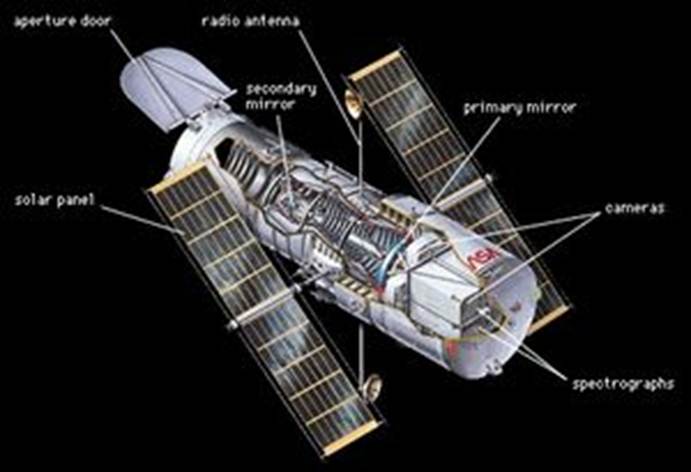
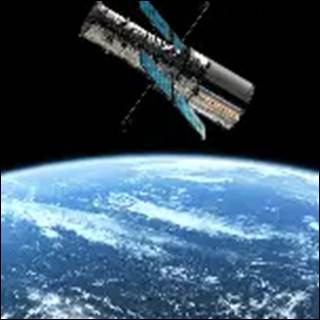
comparable optics. The telescope was placed into orbit about 370 miles above Earth.
It is a large reflecting telescope whose mirror optics gather light from
celestial objects and direct it into two cameras and two spectrographs (which
separate radiation into a spectrum and record the spectrum). It has a 94-inch
primary mirror, a smaller secondary mirror, and various recording instruments
that can detect visible, ultraviolet, and infrared light. The most important
of these instruments, the wide-field planetary camera, can take either
wide-field or high-resolution images of the planets and of galactic and
extragalactic objects. This camera is designed to achieve image resolutions
10 times greater than that of even the largest Earth-based telescope.
About one month after launch, it became apparent that the large
primary mirror had been ground to the wrong shape owing to faulty testing
procedures by the mirror’s manufacturer. The resulting optical defect,
spherical aberration, caused the mirror to produce fuzzy rather than sharp
images. It also developed problems with its gyroscopes and with its
solar-power arrays. On December 2–13, 1993, a mission of the NASA space
shuttle Endeavour sought to correct the telescope’s optical system and other
problems. In five space walks, the shuttle astronauts replaced the wide-field
planetary camera and installed a new device containing 10 tiny mirrors to
correct the light paths from the primary mirror to the other three scientific
instruments. The mission proved an unqualified success, and the HST soon
began operating at its full potential, returning spectacular photographs of
various cosmic phenomena. Three subsequent space shuttle missions in 1997, 1999, and 2002
repaired the gyroscopes and added new instruments including a near-infrared
spectrometer and a wide-field camera. The final space shuttle mission to
install a new camera and an ultraviolet spectrograph,
was launched in 2009.
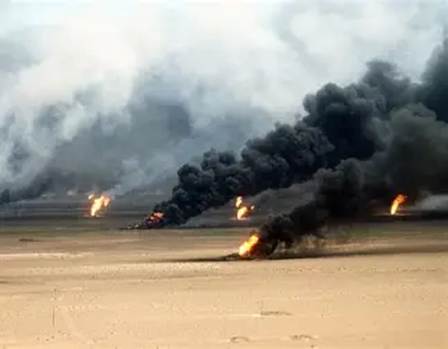
1991 Operation
Desert Storm, which
began with the aerial bombing campaign against Iraq on 17 January 1991 and
came to a close with the American-led liberation of Kuwait on 28 February
1991.
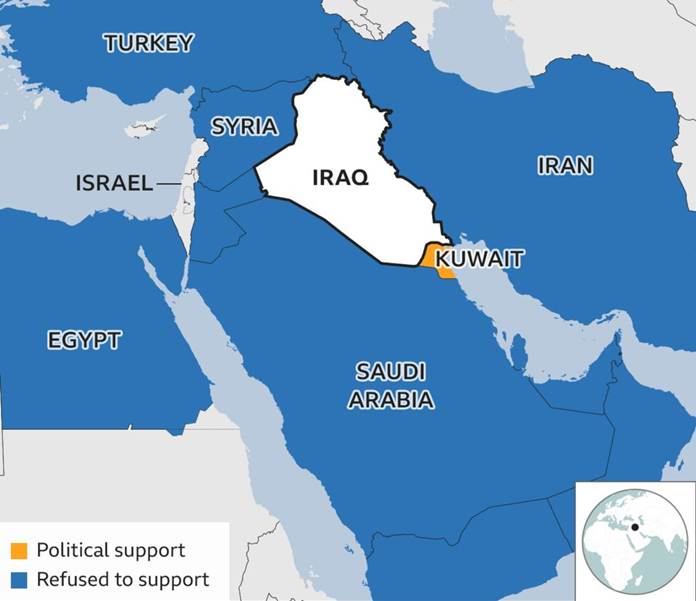
On 2 August 1990, Iraq, governed by Saddam Hussein, invaded
neighboring Kuwait and fully occupied the country within two days. The
invasion was primarily over disputes regarding Kuwait's alleged slant
drilling in Iraq's Rumaila oil field, as well as to cancel Iraq's large debt
to Kuwait from the recently ended Iran–Iraq War. After Iraq briefly occupied
Kuwait under a rump puppet government known as the Republic of Kuwait, it
split Kuwait's sovereign territory into the Saddamiyat
al-Mitla' District in the north, which was absorbed into Iraq's existing
Basra Governorate, and the Kuwait Governorate in the south, which became
Iraq's 19th governorate. The invasion of Kuwait was met with immediate international
condemnation, including the adoption of UN Security Council Resolution 660,
which demanded Iraq's immediate withdrawal from Kuwait, and the imposition of
comprehensive international sanctions against Iraq with the adoption of UN
Security Council Resolution 661. British prime minister Margaret Thatcher and
US president George H. W. Bush deployed troops and equipment into Saudi
Arabia and urged other countries to send their own forces. Many countries
joined the American-led coalition, forming the largest military alliance
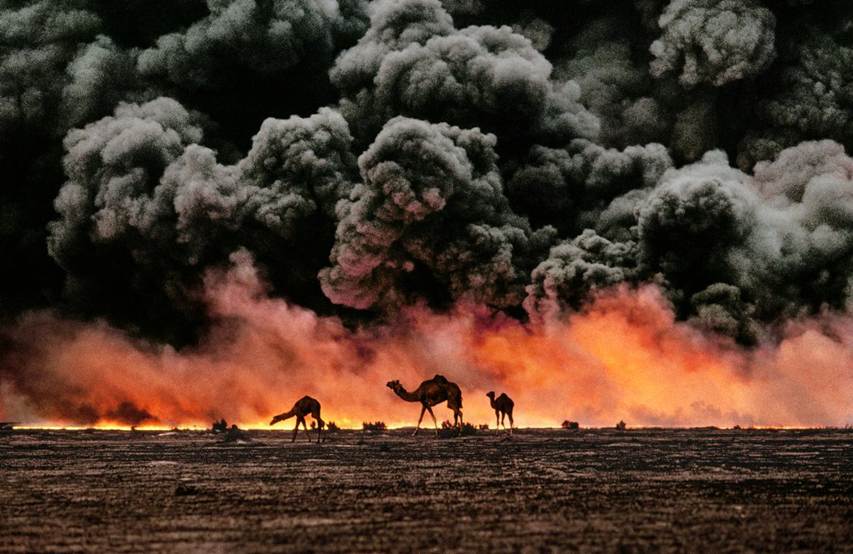
since World War II. The conflict's environmental impact included Iraqi forces
causing over six hundred oil well fires and the largest oil spill in history.
The Kuwait oil fires burned for more than eight months, consuming an
estimated five to six million barrels of crude oil and 70 to 100 million
cubic meters of natural gas per day.
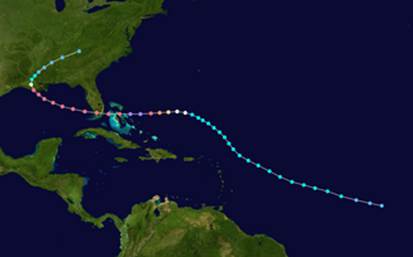
1992 Hurricane
Andrew was a compact, but very powerful and
devastating tropical cyclone that struck the Bahamas, Florida, and Louisiana
in August 1992. It was the most destructive hurricane to ever hit Florida in
terms of structures damaged or destroyed, and
remained the costliest in financial terms until Hurricane Irma surpassed it
25 years later. Andrew was also the strongest hurricane to make landfall in
the United States in decades and the costliest hurricane to strike anywhere
in the country, until it was surpassed by Hurricane Katrina in 2005.
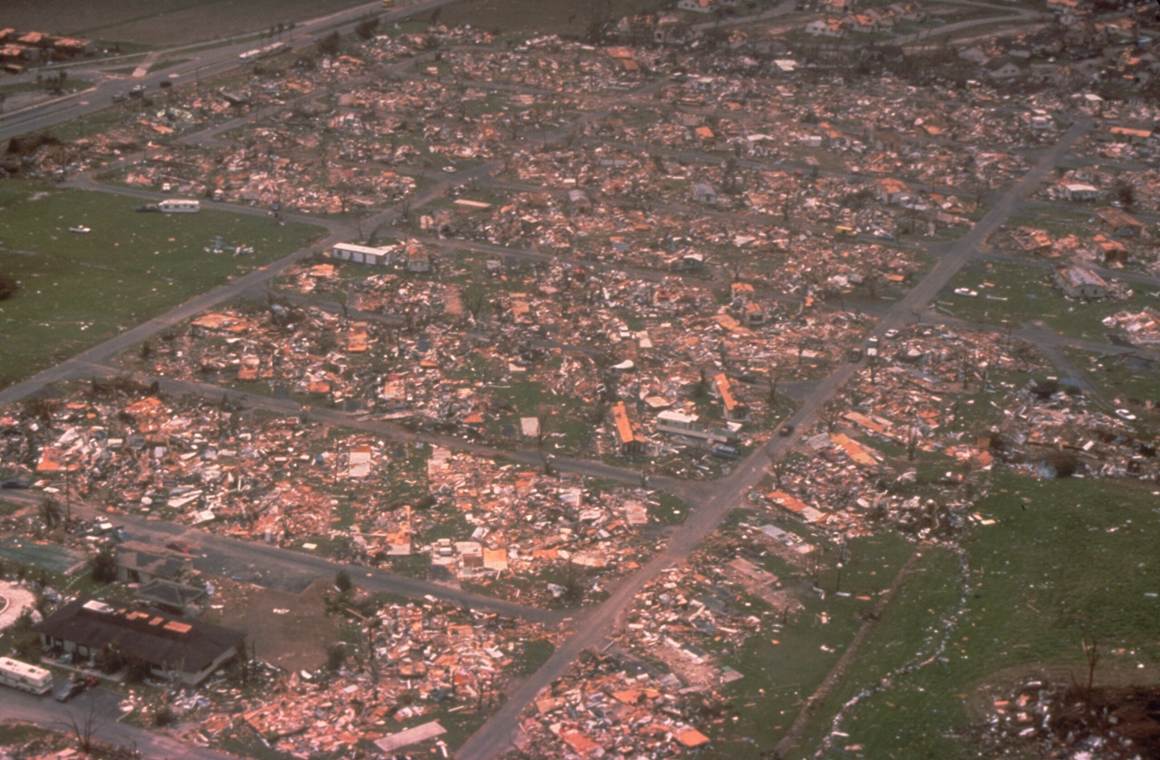
Even though Andrew was a small tropical cyclone for most of its
lifespan, it caused extreme damage. The vast majority of the damage was as a
result of extremely high winds, although a few tornadoes spawned by Andrew
caused considerable damage in Louisiana. Throughout the areas affected,
almost 177,000 people were left homeless. Outside of The Bahamas, Florida,
and Louisiana, effects were widespread, although damage was minimal. Overall,
$36 billion in losses and 65 fatalities were attributed to Andrew. Andrew
was, at the time, the costliest hurricane in U.S. history.
Damage from Hurricane Andrew in a large mobile home community
1993 The
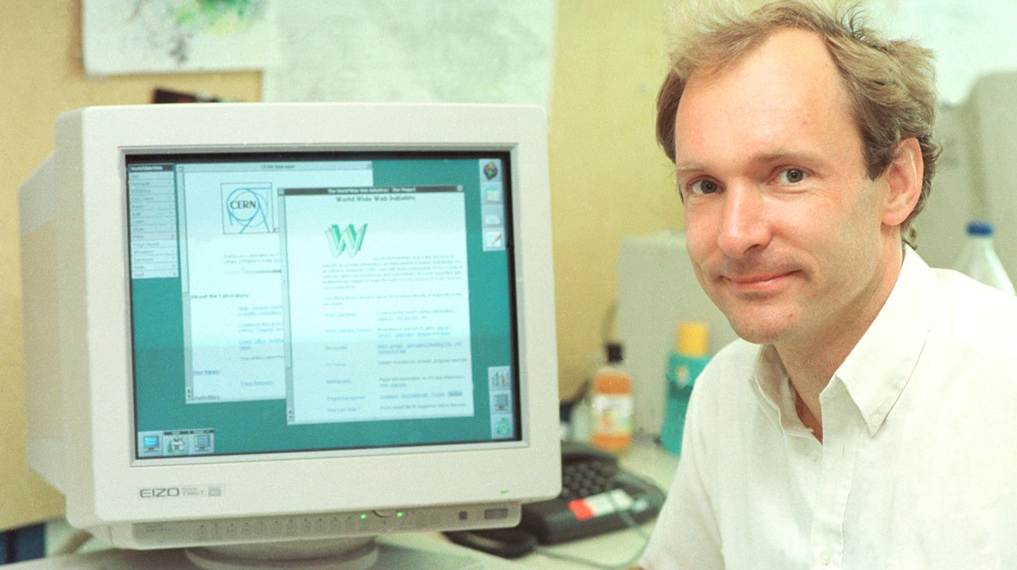
invention of the World Wide Web (WWW), Tim Berners-Lee started building
a layer on top of the internet to make it easier to access. Berners-Lee's
idea was to make information available as pages, written in a shared language
called Hypertext Markup Language (HTML). This eventually became the World
Wide Web, which is the platform used by billions of internet users around the
world. By 1994 there were around 3,000 websites in existence. As of
2025 there almost 2 billion.
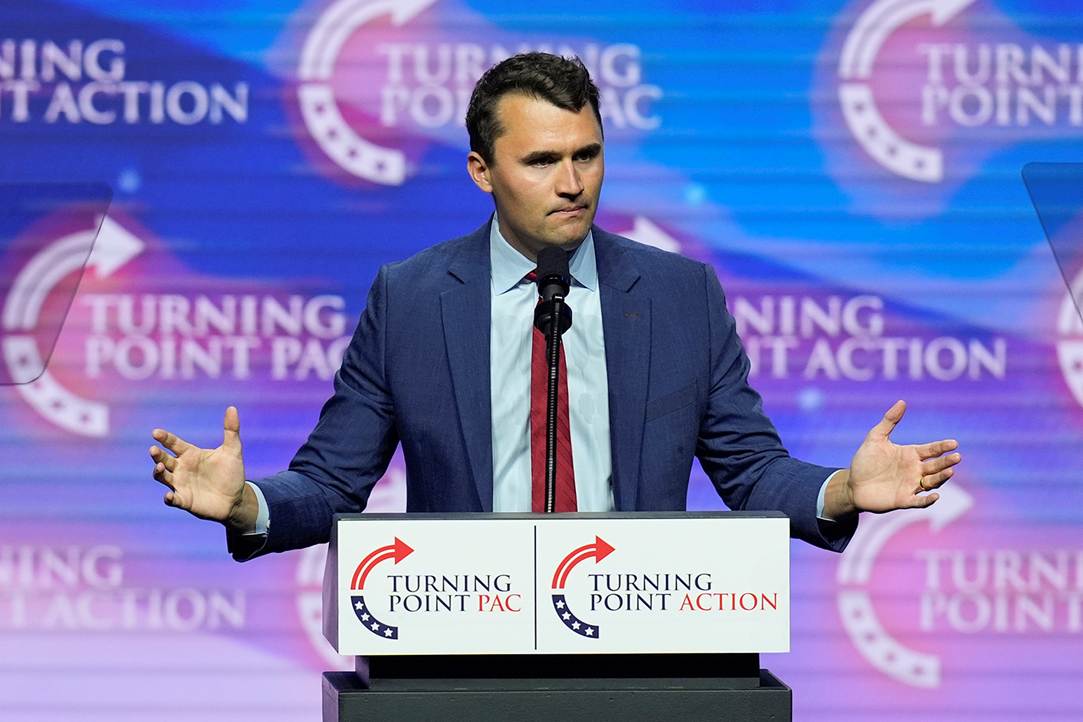
Charlie
Kirk is born, October 14, was an American right-wing political activist,
entrepreneur, and media personality. He co‑founded
the conservative student organization Turning Point USA (TPUSA) in 2012 and
served as its executive director until his assassination in 2025. A key ally
of Donald Trump, he became one of the most prominent voices of the MAGA
movement within the Republican Party, publishing several books and hosting
The Charlie Kirk Show.
Kirk espoused a range of conservative positions, including
opposition to abortion, gun control, DEI programs, and LGBTQ rights. Over
time, he aligned with the Christian right and advocated for Christian
nationalism. On September 10, 2025, Kirk was fatally shot by a rooftop sniper
while speaking at a TPUSA debate event at Utah Valley University.
1994 Beginning
of Amazon, evolved from a small online bookstore to one of the world's
most influential technology companies, with numerous milestones marking its
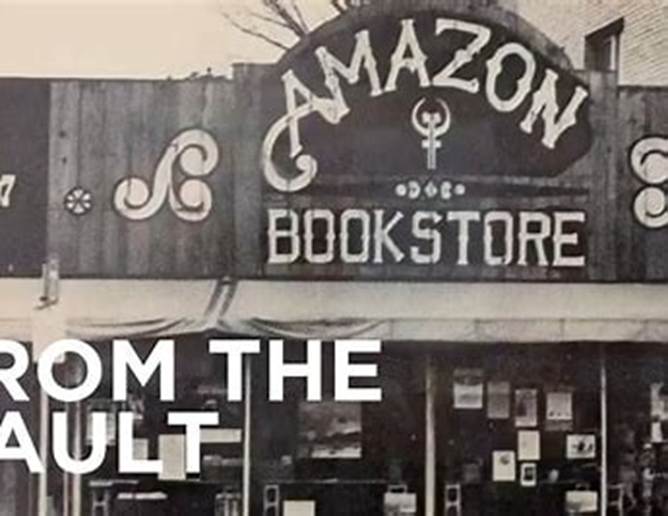
journey. It was originally called Amazon Bookstore, located in Minneapolis,
Minnesota. The feminist and queer-owned bookstore was the first of its kind
in North America when it opened its doors in 1970.
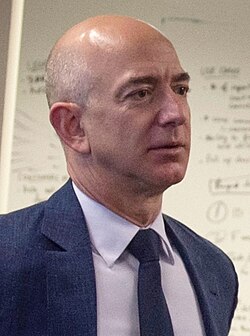
Original Amazon book store 1970 1994: Founding - Jeff Bezos founded Amazon as "Cadabra,
Inc." in his garage in Bellevue, Washington. The name was later changed
to Amazon.com, inspired by the Amazon River and to appear early in
alphabetical listings.
Jeff Bezos 1995: Launch - Amazon.com went live on July 16, 1995, initially
selling books online. The first book sold was "Fluid Concepts and
Creative Analogies" by Douglas Hofstadter. 1997: Going Public - Amazon went public on May 15, 1997, at $18
per share, raising significant capital for expansion. 1998: Expansion - Amazon expanded its product offerings beyond
books to include CDs and DVDs, and it acquired IMDb. 2000: Marketplace Launch - Amazon introduced its Marketplace
platform, allowing third-party sellers to list their products, significantly
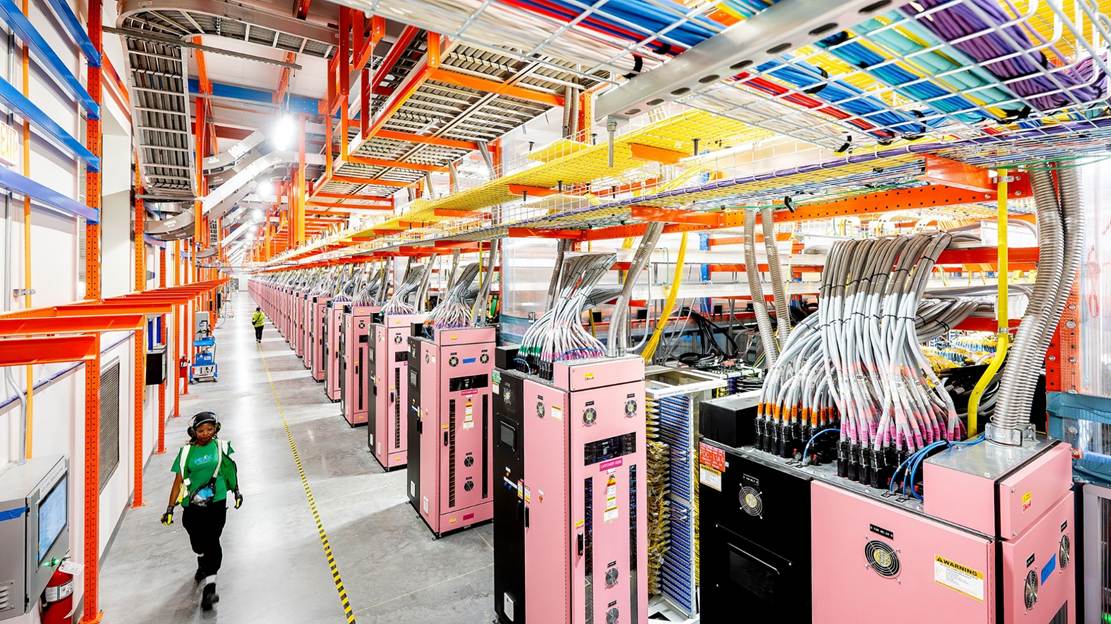
increasing its inventory. 2002: Amazon Web Services (AWS) - Amazon launched AWS, providing
cloud computing services that have since become a major revenue source for
the company. The AWS Cloud spans 123 Availability Zones within 39 Geographic
Regions, with announced plans for 7 more Availability Zones and 2 more AWS
Regions in the Kingdom of Saudi Arabia, and Chile.
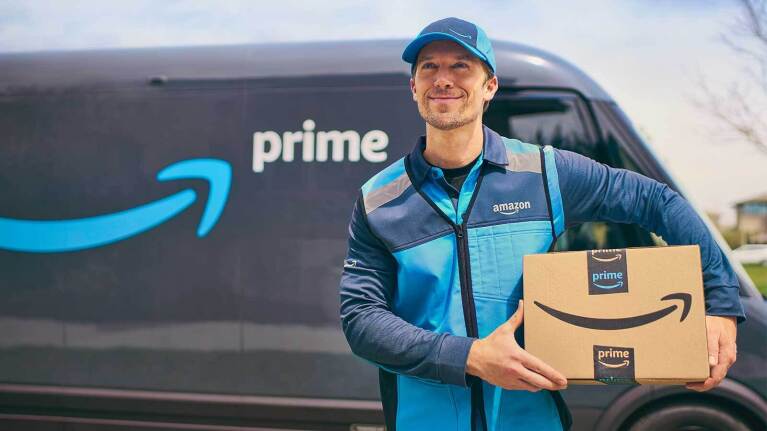
2005: Amazon Prime - The company launched Amazon Prime, offering
members free two-day shipping, which has since evolved to include streaming
services and other benefits. Anyone can join Prime for $14.99 per month or
$139 per year if they pay annually. Fast, free delivery on a huge selection,
enjoy watch, read,
listen, and play, digital
entertainment such as Prime Video plus exclusive deals and savings on
groceries, fuel, and healthcare. 2007: Kindle Launch - Amazon released the Kindle e-reader,
revolutionizing the publishing industry and digital reading. 2015 Opened its first physical Amazon books store in Seattle,
Washington. in the University Village shopping center in Seattle’s “U
District” near the University of Washington. In total, Amazon opened two
dozen stores across 12 states and Washington, D.C. 2017: Acquisition of Whole Foods - Amazon acquired Whole Foods
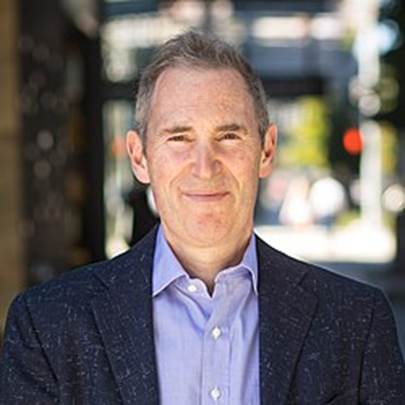
Market for $13.7 billion, marking its entry into the grocery sector. 2021: Leadership Change - Jeff Bezos stepped down as CEO,
handing over the reins to Andy Jassy, the former head of AWS.
Andy Jassy 2022 Amazon announced that it was closing all of its Amazon
Books retail locations., including all 24 permanent locations and a small
array of pop-up shops. Amazon has said that it has plans to continue operating other
retail stores, focusing on Whole Foods Market, Amazon Fresh, Amazon Go, and
Amazon Style stores. Amazon's journey from a garage startup to a global tech
titan is marked by strategic expansions, innovative products, and significant
acquisitions. The company continues to shape the future of e-commerce, cloud
computing, and digital services, maintaining its position as a leader in
multiple industries. |