Home
About
Links
Hobbycraft
Photos
Downloads
|
525 🌍 253 million AD
dating system, stands
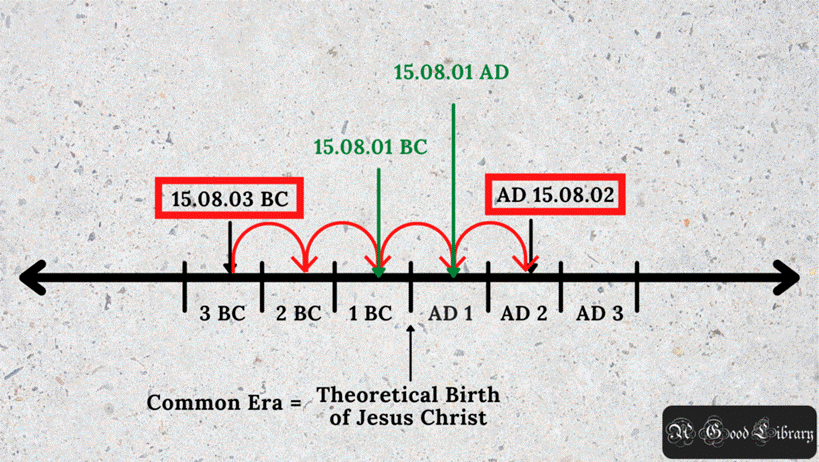
for Anno Domini, a Latin term which means year of our lord. The AD dating system, or, was devised in by the monk Dionysius
Exiguus to count years from the birth of Jesus Christ. It designates years
after Christ's birth as AD and years before as BC, with no year zero in
between. Jesus was likely born around 4 to 6 BC, meaning the calendar is off
by a few years.
|

|
632 🌍 271
million Death
of Muhammad, was an Arab religious and political
leader and the founder of Islam. According to Islam, he was a prophet who was divinely inspired
to preach and confirm the monotheistic teachings of Adam, Noah, Abraham,
Moses, Jesus, and other prophets. He is believed by Muslims to be the Seal of
the Prophets, and along with the Quran, his teachings and normative examples
form the basis for Islamic religious belief. Muhammad united the tribes under the Constitution of Medina. In
December 629, after eight years of intermittent fighting with Meccan tribes,
Muhammad gathered an army of 10,000 Muslim converts and marched on the city
of Mecca. The conquest went largely uncontested, and Muhammad seized the city
with minimal casualties. In 632, a few months after returning from the
Farewell Pilgrimage, he fell ill and died. By the time of his death, most of
the Arabian Peninsula had converted to Islam.
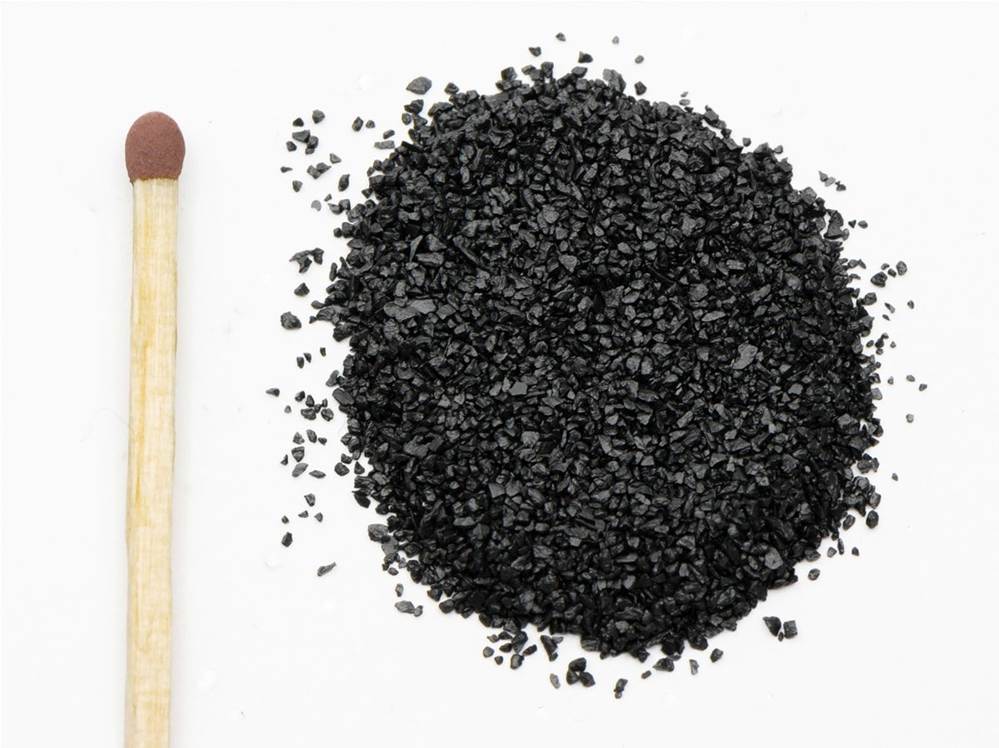
850 Gun powder was invented, first explosive to have been created in the world. Popularly listed as one of the "Four Great Inventions" of China, it was invented during the late Tang dynasty. Ever since it was developed in
10th-century China, gunpowder has been used for both war and peace. It served
as a propellent for firearms, artillery, and rockets on battlefields around
the world, which is how we often think of it. However, it has just as often
been used for pyrotechnics such as fireworks and as a blasting agent for
quarrying, mining, and building roads. As such, gunpowder is one of
humanity’s greatest inventions. Yet, for all its importance, the history and
development of gunpowder remain poorly understood.
Gunpowder is a mixture of sulfur,
carbon (charcoal), and potassium nitrate (saltpeter) that is also commonly
known as “black powder” due to its color. Compared to other chemical
explosives, gunpowder is relatively simple to produce. Each of its three ingredients
plays an important role in the reaction. Sulfur lowers the ignition
temperature required to start the reaction, while charcoal provides carbon
and other fuel for the reaction, and saltpeter (potassium nitrate) provides
the oxygen for the combustion reaction. When gunpowder was first
discovered, it was a new technology that no one had ever encountered before.
As such, it inspired a variety of different reactions from observers all over
the world. Many of the most oft-repeated reactions are those that regarded it
as something demonic or diabolical. In many ways, gunpowder fits this mold
quite well. Its ingredients, the smoke and noise it makes, and its ability to
wreak death and destruction are certainly quite demonic. It was condemned by
military leaders, religious authorities, philosophers, writers, and average
citizens on every continent. With the development of new
chemical explosives and propellants over the course of the late 19th Century,
the use of gunpowder began to decline. There were several drawbacks to the
use of gunpowder, which eventually led to its obsolescence. In particular,
its hydroscopic nature made it susceptible to moisture, which reduced its
effectiveness. Nor did it produce a particularly efficient chemical reaction.
The left-over products created fouling which reduced the effectiveness of
firearms and artillery while also causing corrosion. At the same time, the
smoke that was created by burning gunpowder gave away the soldiers’ position
on the battlefield, exposing them to the enemy. These issues limited the
effectiveness of gunpowder as both a weapon of war and as a tool for civilian
projects. In response to these limitations,
in the late 19th century, chemists developed nitroglycerin, nitrocellulose
(gun cotton), and smokeless powders. These materials gradually replaced
gunpowder as both an explosive and a propellant. They were more powerful,
safer to manufacture and transport, and produced a far more efficient
chemical reaction. As a result of these alternatives, the production and
usage of gunpowder dropped dramatically. By 1900, gunpowder had been
completely replaced for all intents and purposes, except for fireworks and
other pyrotechnic displays. |



|
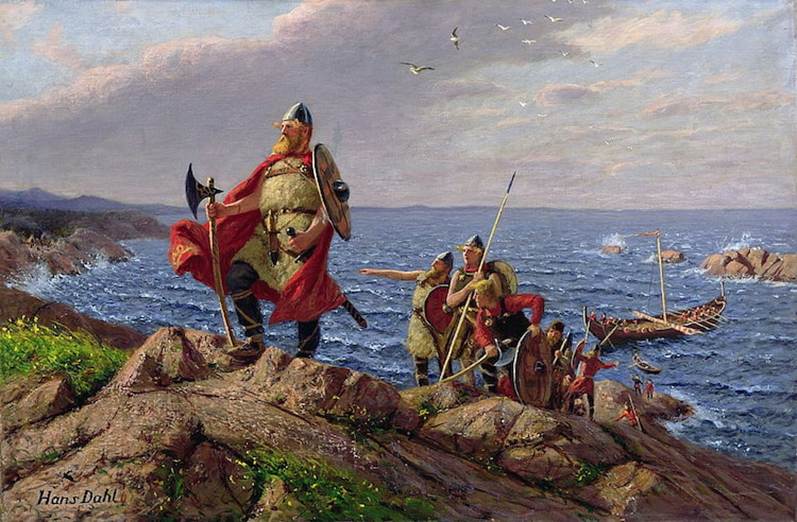
1000 🌍 323
million Earliest
European arrives in North America,
Leif Erikson a Norse explorer sailed from Greenland and reached a land he
called Vinland, believed to be part of modern-day Newfoundland, Canada. Norse refers to the ancient North Germanic people, known as
Norsemen, who lived in Scandinavia and spoke Old Norse from about the 9th to
the 13th centuries Four centuries before Columbus arrived in the Caribbean in 1492,
Erikson became either the first or one of the first Europeans to visit the
shores of North America. In 1929, a bill was passed in Wisconsin to make 9 October ‘Leif
Erikson Day’ in the state, and in 1964 former President Lyndon B. Johnson
proclaimed 9 October ‘Leif Erikson Day’ across the country.
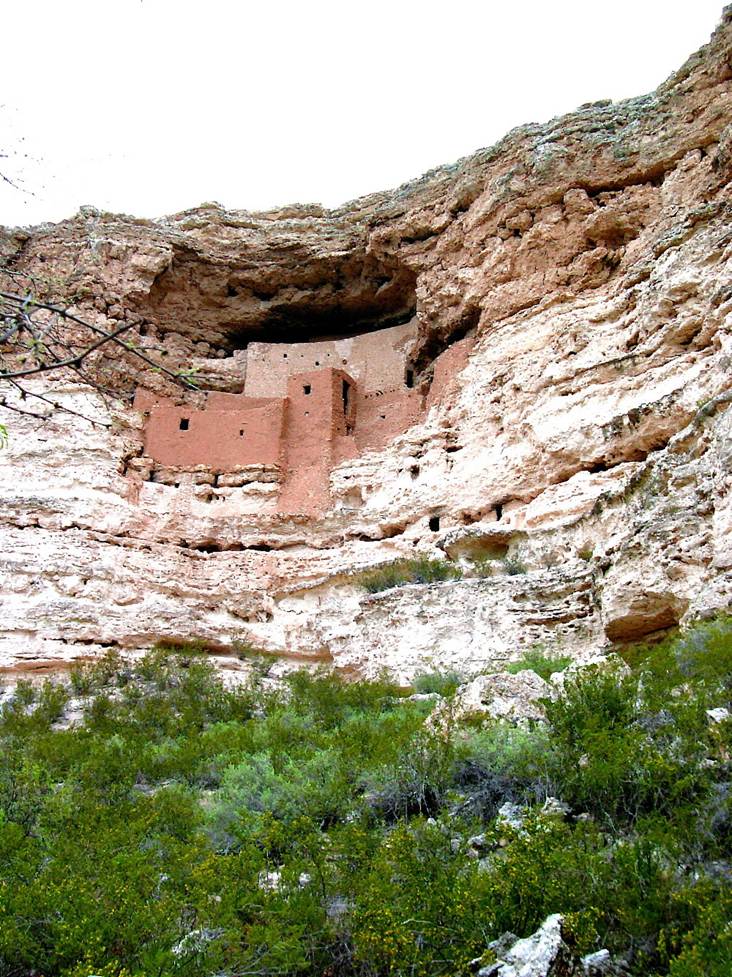
1050 Dwellings people at
Montezuma Castle in Arizona, the Sinagua began building permanent
living structures. The Sinagua were living in the Verde Valley as early as
650 CE, or maybe even earlier. The earliest houses they built were called pithouses, made by digging partially into the ground,
inserting log posts, and covering the structure with plant material. The
remains of one pithouse can be seen at Montezuma
Well. Beginning around 1050 CE, the Sinagua began building pueblos and
cliff dwellings. They built homes in naturally occurring caves in the cliffs
using local materials like wood, stone, and mud mortar. Cliff dwellings often
had multiple levels and were accessed using wooden ladders. There are many possible reasons the Sinagua chose to build their
homes in the cliffs. At Montezuma Castle, the cliff faces south, so the
dwellings are warm in the winter and cool in the summer. The high location
also protected them from damage caused by the annual flooding of Beaver
Creek. The dwellings may also have been built high up for protection or to
help the Sinagua view approaching travelers. More than likely, the cliff
dwellings served all these functions and more, much like our houses today. Despite being called a castle, the dwelling at Montezuma Castle
is actually a collection of 20 rooms originally belonging to multiple
families, similar to a modern-day apartment building. Other apartment-style
buildings called pueblos, like those found at Montezuma Well and Tuzigoot also had multiple rooms and were built with
local materials. But unlike Montezuma Castle, these pueblos are free-standing
and have large common areas for gatherings. The Sinagua lived in pueblos and
cliff dwellings until around 1400 CE. The Sinagua did not disappear, but rather migrated away over
time. Montezuma Castle was abandoned around 1400 CE, as were the dwellings at
Montezuma Well. Although we do not know the exact reason, possible
explanations include environmental change, overpopulation, social conflict,
or religious reasons. Unfortunately, the Sinagua had no written language,
leaving us to piece together why they left. *
* *
Montezuma Castle
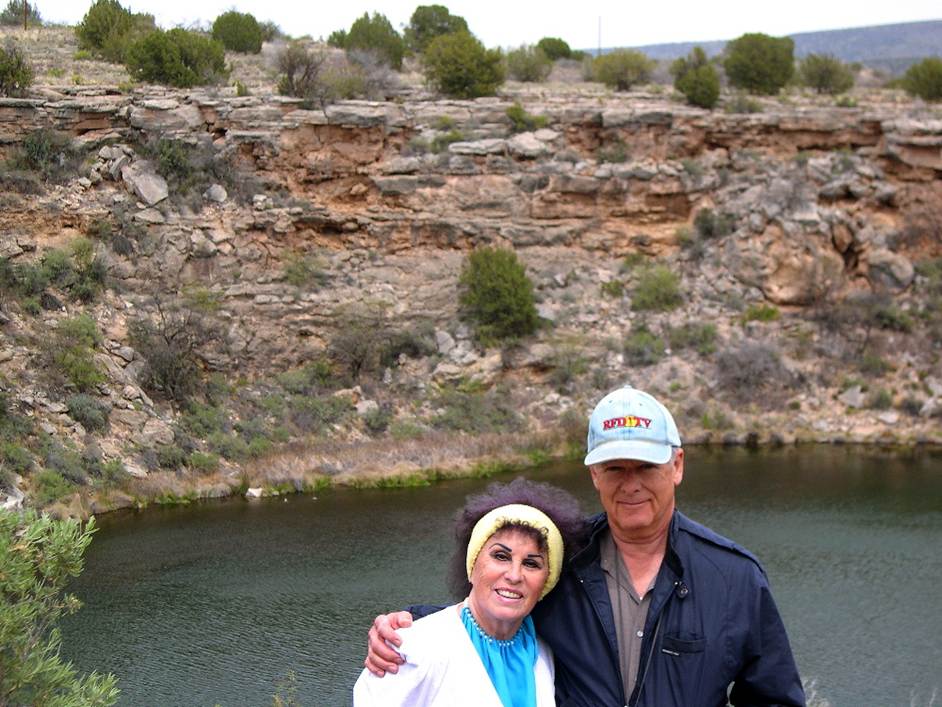
Lake Montezuma (Mary and me, 2007)
1346 Bubonic
plague pandemic that occurred in Europe from
1346 to 1353. It was one of the most fatal pandemics in human history; as
many as 50 million people perished, perhaps 50% of Europe's 14th-century
population. The disease is caused by the bacterium Yersinia pestis and spread
by fleas and through the air. One of the most significant events in European
history, the Black Death had far-reaching population, economic, and cultural
impacts. Symptoms of the plague include fever of 100–106 °F, headaches,
painful aching joints, nausea and vomiting, and a general feeling of malaise.
Left untreated, 80% of victims die within eight days.
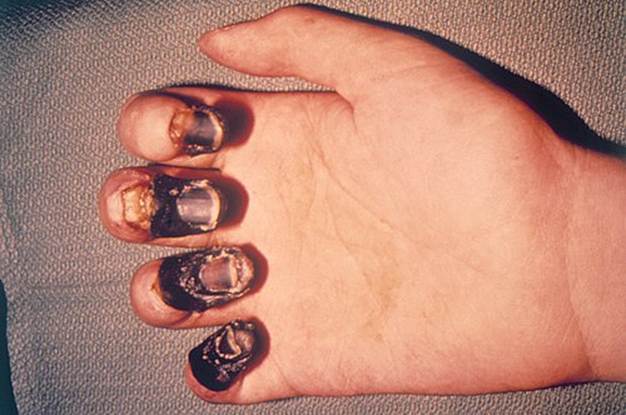
A hand showing how acral gangrene of the fingers due to bubonic
plague causes the skin and flesh to die and turn black
1400 Origins
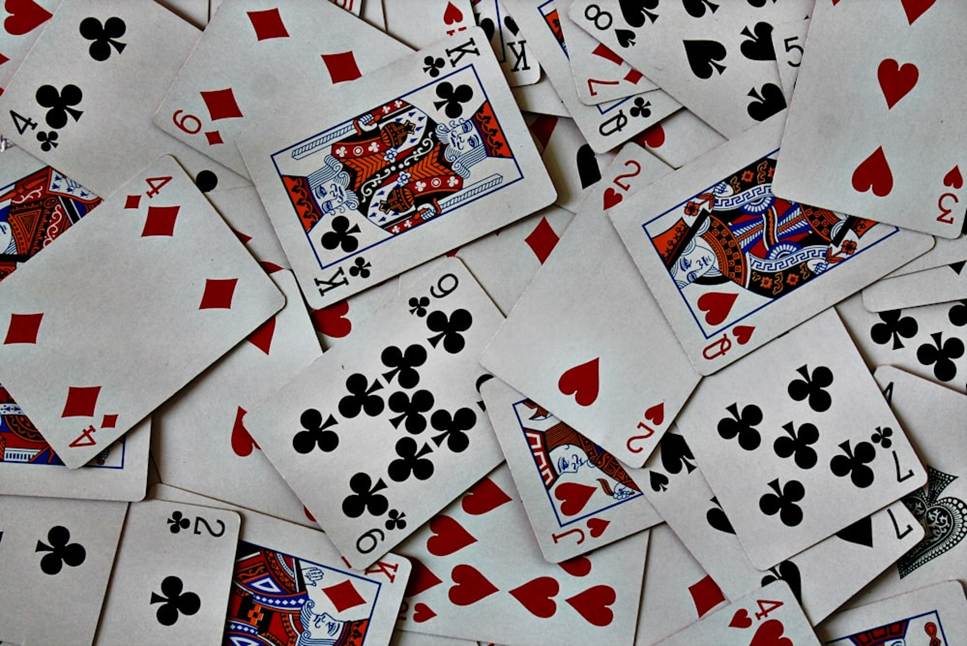
of modern playing cards, thanks
to written accounts from Spain, France, and Switzerland, we do know that
playing cards grew in popularity in Europe from 1370 to 1400, although
standardization was still a long way off. During the 15th century, European decks sometimes contained five
rather than four suits, and specific regional tastes meant that different
suit motifs also emerged. Germans, for example, used hearts, acorns, bells,
and leaves, while the Italians favored cups, swords, batons, and coins. It was the French, however, who made perhaps the most
significant contribution to modern playing card design. In the late 1400s,
they adapted the German suits to create pique, coeur,
carreau, and trèfle —
known in English as spades, hearts, diamonds, and clubs. Playing cards are ubiquitous objects in human culture and one of
the most iconic. Whether new and neatly packaged or old and well-thumbed,
cards have a certain mystique about them. From the casino table to the
magician’s hand, these simple pieces of plastic-coated paper have achieved a
status that transcends their simple yet elegant design.
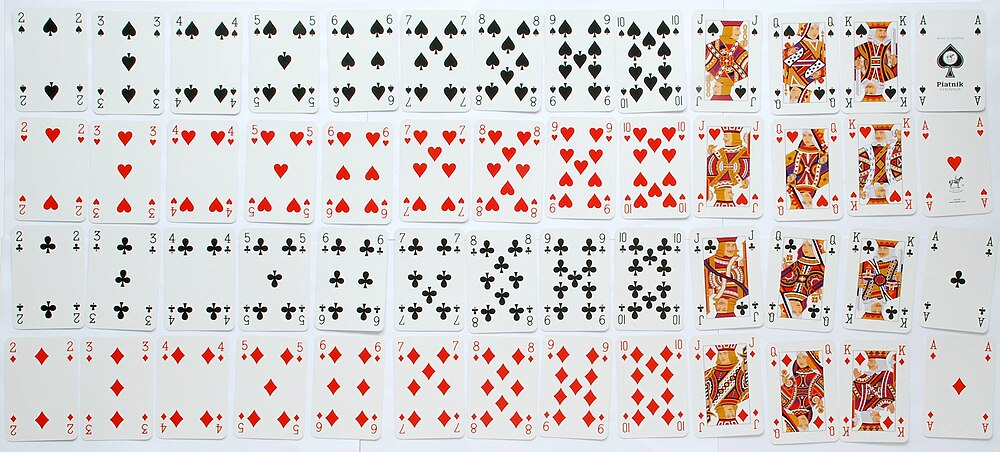
A standard 52-card French-suited deck comprises 13 ranks in each
of the four suits: clubs (♣), diamonds (♦),
hearts (♥) and spades (♠).
Each suit includes three court cards (face cards), King, Queen and Jack, with
reversible (i.e. double headed) images. Each suit also includes ten numeral
cards or pip cards, from one (Ace) to ten. The card with one pip is known as
an Ace. Each pip card displays the number of pips (symbols of the suit)
corresponding to its number, as well as the appropriate numeral (except
"A" for the Ace) in at least two corners.
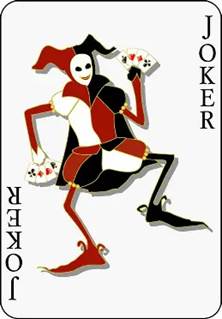
In addition, commercial decks often include from one to six
Jokers; most commonly two or three since the mid-20th century. The Jokers are
often distinguishable from one another, either in design or color, as some
card games require these extra cards. The Jokers can also be used as
replacements for lost or damaged cards.
There are (approximately 8.0658×67) possible
arrangements of a standard 52-card deck. The United States introduced the joker into the deck for the
game of euchre, which spread from Europe to America beginning shortly after
the American Revolutionary War. In euchre, the highest trump card is the Jack
of the trump suit, called the right bower (from the German Bauer); the
second-highest trump, the left bower, is the jack of the suit of the same
color as trumps. The joker was invented 1860 as a third trump, the imperial
or best bower, which ranked higher than the other two bowers. The name of the
card is believed to derive from juker, a variant
name for euchre. The earliest reference to a joker functioning as a wild card
dates to 1875 with a variation of poker. |