Home
About
Links
Hobbycraft
Photos
Downloads
|
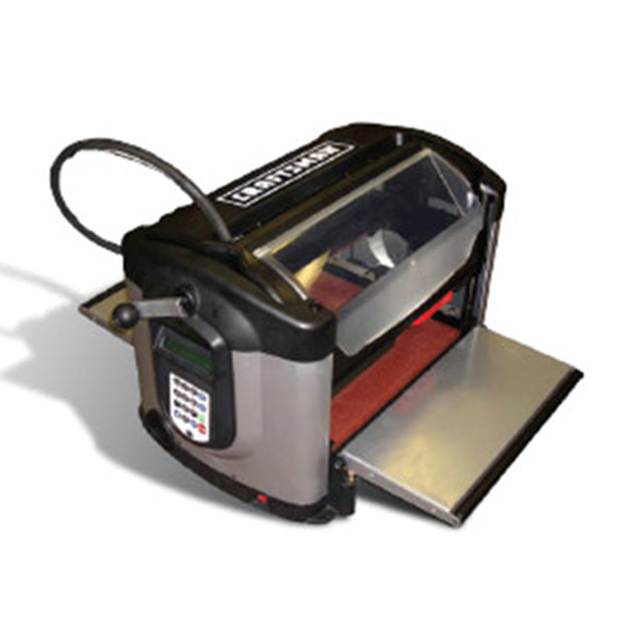
2006 LHR markets CNC for home use in 400 Sears stores as the Craftsman CompuCarve. After the success of the Sears launch with 10,000 units sold within the first year, LHR Technologies launched their own brand, CarveWright, to widen distribution. LHR Technologies was founded in 2001 by former NASA robotics
engineers as a research and development company. As critical thinkers and
craftsmen, they saw the need for new innovation in robotic controlled
products and formed LHR to bring their knowledge of state-of-the-art
technology to bear in the consumer market. CNC (Computer Numerical Control) is a computer control process
used to direct precise movements of robotic cutting, carving, and milling
tools. It was most commonly found in industrial manufacturing settings, but
as the technology has advanced, it is finding its way into everyday life. It
is how nearly everything is made today. The CarveWright CNC is a “Personal
CNC” or “Desktop CNC” system, referring to its small footprint and
ease-of-use. It removes material, through cutting or carving, with a spinning
bit, from a block of material set into the machine. CarveWright uses a
feed-through, belt drive system to feed material of virtually unlimited
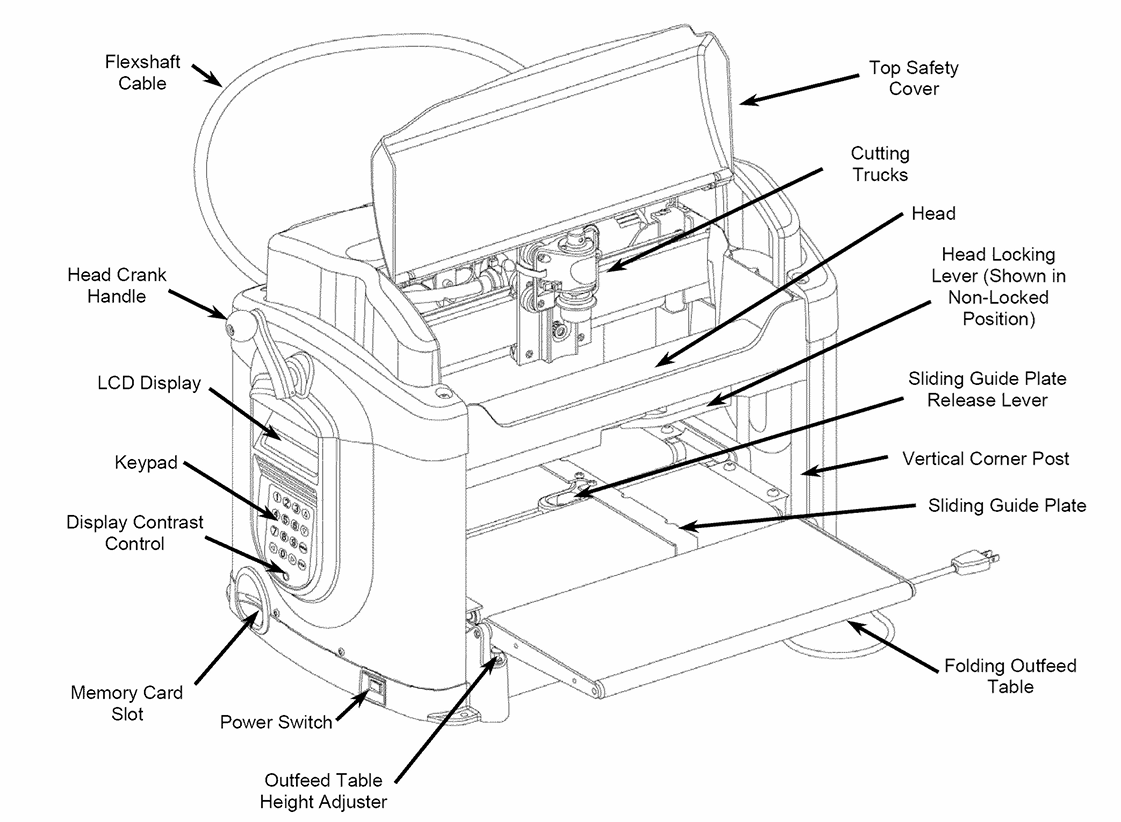
length. The controller is built into the machine and projects are uploaded to
memory cards for transfer. Then the keypad and LCD panel located on the side
of the CW allows the user to access their projects, and many other built-in
functions.
*
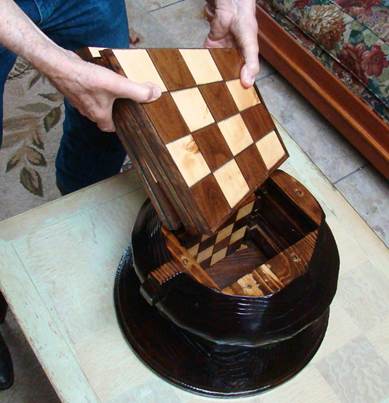
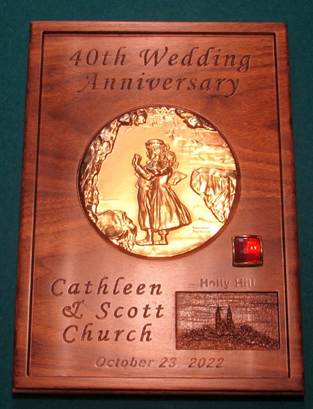
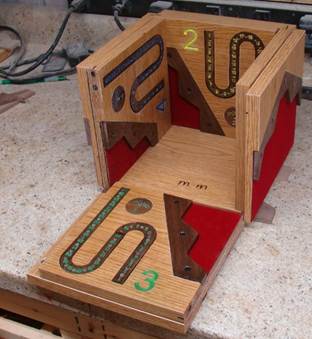
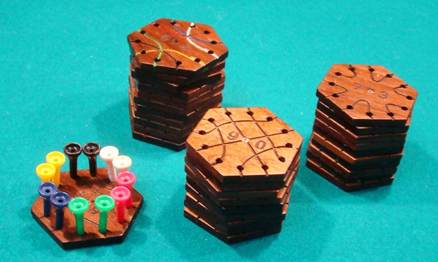
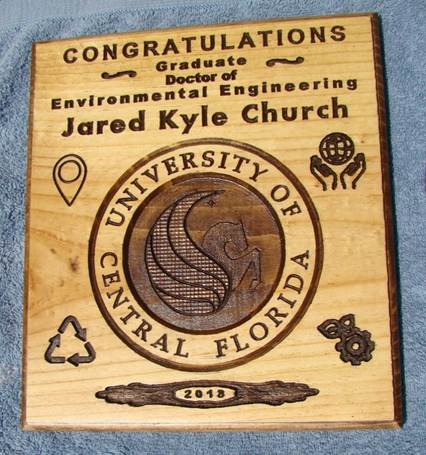
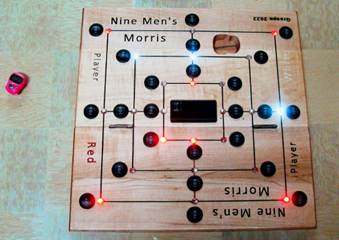
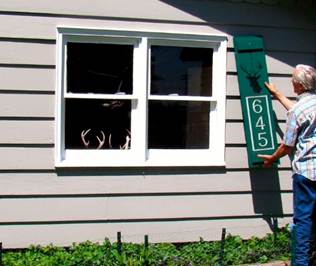
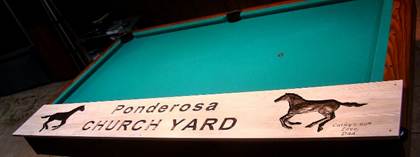
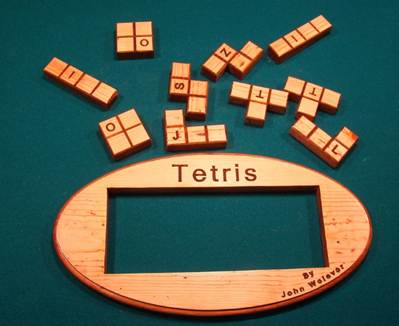
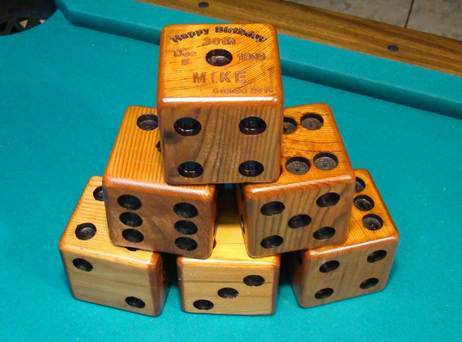
* * Some things I have made using the CarveWrite CNC:
Three person chess or checkers board (including the pieces)
Fancy container for storing the game boards
|





















|
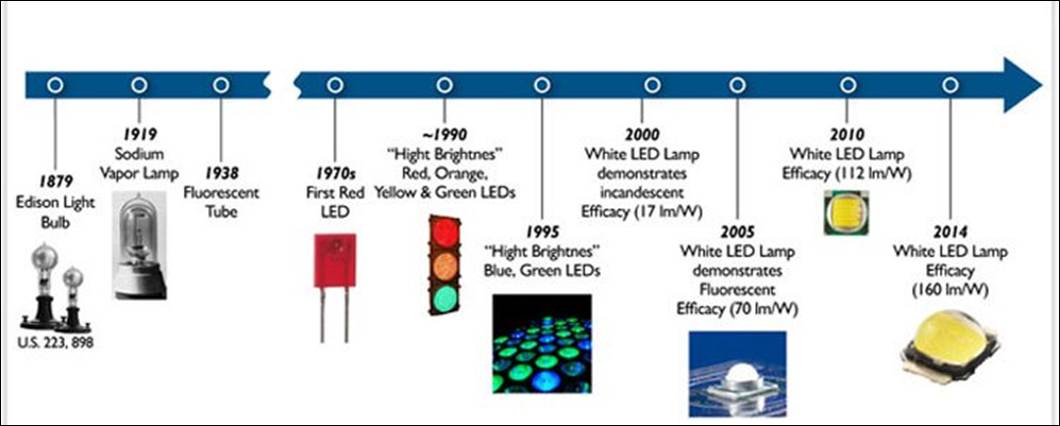
2014 The
first energy efficient full color LED’s for practical use and winning 2014 Nobel Prize in Physics. Experimental white LEDs were demonstrated in 2014 to produce 303
lumens per watt of electricity (lm/W); some can last up to 100,000 hours.
Commercially available LEDs have an efficiency of up to 223 lm/W as of 2018.
A previous record of 135 lm/W was achieved by Nichia in 2010. Compared to
incandescent bulbs, this is a huge increase in electrical efficiency (not
realized in cold climates making use of electrical heating that then kicks in
to offset the heat no longer produced by the incandescent bulbs). Even though
LEDs are more expensive to purchase, overall lifetime cost is significantly
cheaper than that of incandescent bulbs.
|